Business Asset Lifecycle Strategies That Reduce Costs

Business Asset Lifecycle Strategies That Reduce Costs

Effective business asset lifecycle strategies enable companies to reduce costs by managing every phase from procurement to decommissioning with precision and foresight. Many enterprises encounter inflated operational budgets due to fragmented asset tracking and unplanned maintenance events that accelerate wear and tear. A comprehensive lifecycle approach establishes clear protocols for monitoring utilization rates, scheduling timely […]

Business Asset Lifecycle Strategies That Reduce Costs Read More »
Warehouse Receiving vs Putaway_ Key Process Differences

Warehouse Receiving vs Putaway: Key Process Differences

Warehouse receiving initiates the inbound logistics sequence by validating shipment contents against purchase orders and recording details into inventory databases. This initial handling contrasts with putaway, which entails transporting accepted goods to optimal storage positions based on demand patterns and facility layout. Clear differentiation supports targeted training and resource allocation for warehouse staff. Misunderstandings between

Warehouse Receiving vs Putaway: Key Process Differences Read More »

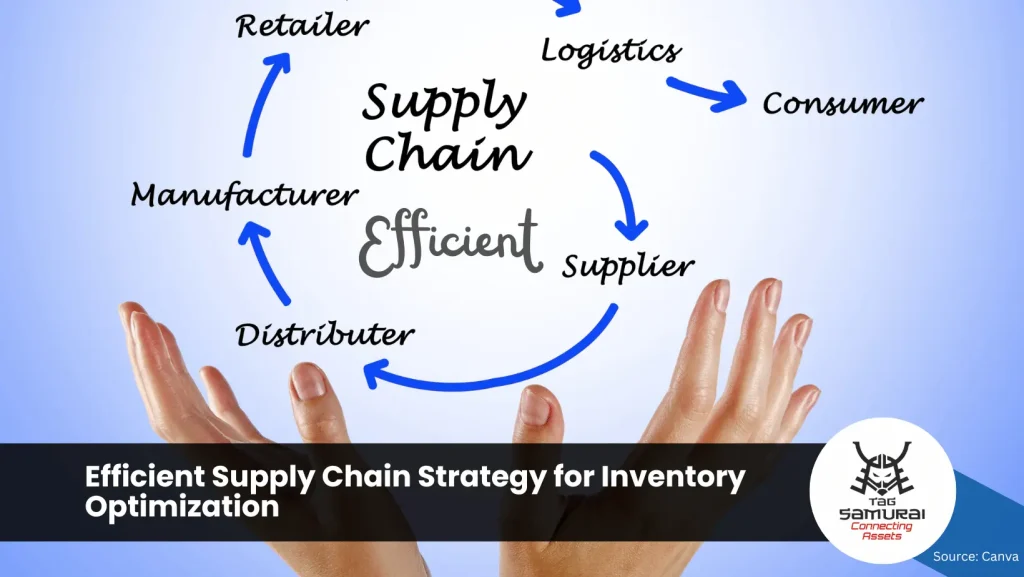
Efficient Supply Chain Strategy for Inventory Optimization

Efficient Supply Chain Strategy for Inventory Optimization

An efficient supply chain strategy plays a pivotal role in inventory optimization by enabling precise alignment between production schedules, supplier deliveries, and actual market consumption patterns. Many enterprises struggle with the dual problems of excess inventory inflating storage and depreciation costs alongside frequent shortages that erode customer trust and revenue streams. Through systematic application of

Efficient Supply Chain Strategy for Inventory Optimization Read More »

Supply Chain Cost Optimization Through Process Automation

Supply Chain Cost Optimization Through Process Automation

Supply Chain Cost Optimization enables companies to systematically reduce expenditures across procurement, logistics, and inventory functions while preserving operational reliability. This practice directly addresses inefficiencies that arise from manual processes, fragmented data, and volatile supplier dynamics in global networks. Organizations apply targeted analyses to identify cost drivers and implement controls that stabilize budgets amid fluctuating

Supply Chain Cost Optimization Through Process Automation Read More »

Depreciation Journal Entries for Multi-Asset Companies

Depreciation Journal Entries for Multi-Asset Companies

Depreciation journal entries provide the essential framework for companies with multiple assets to distribute the expense of long-term resources over their expected service periods. Organizations face challenges in maintaining precise records when assets vary in acquisition dates, costs, and useful lives, which can lead to errors in periodic financial reporting. Accurate entries support compliance with

Depreciation Journal Entries for Multi-Asset Companies Read More »

Scroll to Top