
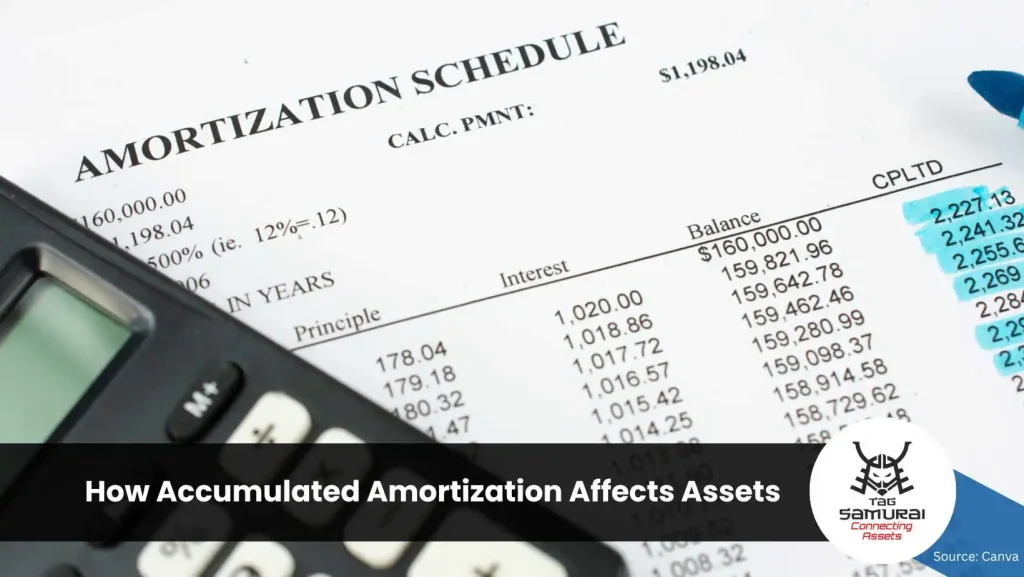
Accumulated amortization represents the total amortization charges applied to intangible assets over time, mirroring the role of accumulated depreciation for tangible fixed assets. This contra-asset account on the balance sheet gradually reduces the net book value of assets such as patents, copyrights, and goodwill, providing a more accurate depiction of their remaining economic utility. For businesses relying on intellectual property and other intangibles, grasping accumulated amortization is crucial for informed financial analysis and strategic planning.
The impact of accumulated amortization on assets extends to influencing profitability metrics, tax liabilities, and overall balance sheet integrity by aligning reported values with actual usage and obsolescence. As this cumulative figure grows, it signals the erosion of asset value, prompting decisions on renewals, impairments, or disposals. Delve deeper into how accumulated amortization affects assets to optimize asset management and enhance financial reporting accuracy.
What Is Accumulated Amortization?
Accumulated amortization represents the total amount of amortization expense allocated to intangible assets since their acquisition. It functions as a contra-asset account on the balance sheet, reducing the net book value of these assets over time. Unlike depreciation for tangible assets, amortization applies to intangibles like patents, trademarks, and goodwill.
1. Role in Asset Valuation
Amortization systematically allocates the cost of an intangible asset over its estimated useful life, reflecting its consumption or decline in value. Accumulated amortization accumulates these periodic charges, directly lowering the carrying amount of the asset. This process ensures financial statements accurately portray the asset’s remaining economic benefits.
For example, a company acquires software for $100,000 with a 5-year life. Annual amortization of $20,000 builds up in the accumulated account, reducing net book value to $80,000 after year one. This adjustment prevents overstatement of asset values and aligns with generally accepted accounting principles (GAAP).
2. Impact on Financial Statements
On the balance sheet, accumulated amortization offsets the gross asset value, yielding net intangible assets. This reduction affects key metrics like return on assets (ROA) by lowering the denominator. Investors analyze it to assess how much value has been ‘used up’ in intangibles, influencing decisions on asset impairment or replacement.
- Lowers net asset base, potentially improving ROA if income remains stable.
- Signals asset obsolescence, prompting reviews for write-downs.
- Affects tax calculations, as amortization deductions reduce taxable income.
3. Differences from Related Concepts
Distinguish accumulated amortization from depreciation, which applies to physical assets, or depletion for natural resources. All serve to match expenses with revenues under the matching principle. Understanding these nuances helps in evaluating a firm’s long-term asset management and sustainability.
In summary, accumulated amortization ensures realistic asset reporting, impacting everything from profitability ratios to strategic planning. Businesses monitor it closely to maintain accurate financial health indicators.
Step-by-Step Calculation Guide
1. Determine the Amortizable Amount of the Intangible Asset
Start by identifying the cost of the intangible asset, such as patents or software. Subtract any residual value, which is the estimated worth at the end of its useful life. This gives the amortizable base. For example, a $100,000 patent with no residual value has a $100,000 amortizable amount.
Useful life estimation is crucial, based on legal limits or economic benefits. Straight-line method is common, spreading the cost evenly over the period.
2. Calculate Annual Amortization Expense
Divide the amortizable amount by the useful life in years. If the patent lasts 10 years, annual expense is $10,000. Record this as amortization expense on the income statement and increase accumulated amortization on the balance sheet.
- Debit Amortization Expense $10,000
- Credit Accumulated Amortization $10,000
3. Accumulate Amortization Over Time
Each period, add the annual expense to the accumulated amortization account. After year one, it’s $10,000; after year two, $20,000. This contra-asset account reduces the asset’s carrying value without altering the gross amount.
4. Assess Impact on Asset Value and Financial Statements
Net book value equals cost minus accumulated amortization. For the patent after two years: $100,000 – $20,000 = $80,000. This reflects true economic value, aiding in ratio analysis like return on assets.
Accumulated amortization lowers reported assets, influencing metrics such as debt-to-equity. It ensures compliance with accounting standards like GAAP or IFRS, promoting accurate financial reporting.
5. Review and Adjust as Needed
Periodically reassess useful life or impairment. If changes occur, adjust future amortization. This maintains relevance in valuing intangible assets amid business evolution.
Influence on Financial Statements
1. Impact on the Balance Sheet
Accumulated amortization serves as a contra-asset account, reducing the book value of intangible assets on the balance sheet. This non-cash expense systematically allocates the cost of assets like patents or software over their useful lives, reflecting wear and tear without physical depreciation. As it accumulates, the net carrying amount of assets decreases, providing a more accurate depiction of their remaining value.
For instance, if a company acquires a trademark for $100,000 with a 10-year life, annual amortization of $10,000 builds up in the accumulated account. This lowers reported assets, influencing key ratios such as return on assets (ROA) and debt-to-equity, which stakeholders use to assess financial health.
2. Effects on the Income Statement
On the income statement, amortization expense is deducted from revenues, reducing net income. Unlike depreciation for tangible assets, it applies to intangibles and follows methods like straight-line, ensuring consistent expense recognition. This impacts profitability metrics, including earnings before interest and taxes (EBIT).
- Straight-line method: Evenly spreads cost over useful life.
- Declining balance: Accelerates expense in early years for faster value decline.
Investors monitor these effects to evaluate sustainable earnings, as high amortization can signal heavy reliance on acquired intangibles.
3. Broader Implications for Financial Analysis
Accumulated amortization influences cash flow statements indirectly by adding back the non-cash expense in operating activities. It enhances transparency in financial reporting under GAAP or IFRS, aiding comparisons across firms. Analysts adjust for it when valuing companies, considering how it affects asset impairment tests and overall equity.
In mergers, understanding its role helps in purchase price allocation, ensuring assets aren’t overstated. This comprehensive view supports informed decisions on asset management and investment strategies.
Real-World Business Examples
1. Technology Sector: Software Development Firm
In the technology industry, companies often acquire or develop software assets. Accumulated amortization reduces the book value of these intangible assets over time. For instance, a software company purchases a patent for $500,000 with a 10-year useful life. Annual amortization expense of $50,000 accumulates, lowering the asset’s net value on the balance sheet each year.
This process impacts financial ratios, such as return on assets, by reflecting the true economic value of aging intellectual property. Businesses must monitor this to avoid overvaluing assets during mergers or investor presentations.
2. Manufacturing Industry: Equipment and Trademarks
Manufacturers deal with amortized trademarks and licenses alongside depreciable equipment. Consider a factory buying a brand trademark for $200,000, amortized over 20 years. Accumulated amortization reaches $100,000 after 10 years, halving the reported asset value.
- This deduction influences asset turnover ratios, helping stakeholders assess operational efficiency.
- Accurate tracking prevents tax overpayments and supports strategic asset replacement decisions.
3. Pharmaceutical Company: Drug Patents
Pharma firms invest heavily in R&D, capitalizing patents as assets. A drug patent costing $1 million with a 15-year life sees $66,667 annual amortization. Over five years, accumulated amortization of $333,335 reduces net patent value, affecting profitability metrics like EBITDA.
Such examples highlight how accumulated amortization ensures financial statements portray realistic asset contributions to revenue, aiding compliance with GAAP standards and informed investment choices.
Amortization vs. Depreciation Explained
The amortization and depreciation both allocate the cost of assets over their useful lives, but they apply to different types of assets. Amortization handles intangible assets like patents and goodwill, while depreciation covers tangible assets such as machinery and buildings. Understanding their differences is key for accurate financial reporting and asset management.
1. Defining Amortization
Amortization systematically reduces the value of intangible assets on the balance sheet. It spreads the initial cost over the asset’s estimated useful life, reflecting its consumption or expiration. For example, software development costs are amortized over several years as the technology becomes obsolete.
Accumulated amortization accumulates these periodic charges, directly lowering the net book value of the asset. This process ensures financial statements show a realistic asset value, impacting metrics like return on assets and compliance with accounting standards such as GAAP or IFRS.
2. Understanding Depreciation
Depreciation allocates the cost of tangible assets over time, accounting for wear and tear or obsolescence. Methods include straight-line, declining balance, and units of production, chosen based on asset usage patterns.
Unlike amortization, depreciation affects physical assets and does not typically apply to land, which holds indefinite value. It influences tax deductions and cash flow projections in business planning.
3. Impact of Accumulated Amortization on Assets
Accumulated amortization specifically diminishes the carrying amount of intangible assets, preventing overstatement of net worth. As it builds up, the asset’s book value approaches zero, signaling full utilization or impairment.
- Reduces balance sheet asset values for precise financial health assessment
- Affects profitability ratios by increasing expenses over time
- Guides decisions on asset renewal or disposal when fully amortized
4. Key Differences and Financial Implications
The core distinction lies in asset type: intangibles for amortization, tangibles for depreciation. Both methods match expenses with revenues, adhering to the matching principle in accounting.
For businesses, tracking accumulated amortization helps evaluate intangible asset performance, such as brand value erosion. This informs strategic choices, like investing in R&D to sustain competitive edges.
In summary, while depreciation handles physical decline, accumulated amortization reveals the fading value of non-physical assets, ensuring balanced and insightful financial statements.
Also Read: Explanation: What is Depreciating Assets
Effects on Balance Sheet Assets
Accumulated amortization represents the total amortization expense recognized over time for intangible assets. As a contra-asset account, it directly reduces the carrying value of these assets on the balance sheet. This process ensures that the reported asset values reflect their economic reality, aligning with generally accepted accounting principles (GAAP). Understanding its effects helps in assessing a company’s true asset base and financial health.
1. Decrease in Net Asset Value
The primary effect of accumulated amortization is a reduction in the net book value of intangible assets, such as patents, trademarks, or goodwill. For instance, if an intangible asset costs $100,000 with a 10-year useful life, annual amortization of $10,000 accumulates to lower the asset’s balance sheet value progressively. This contra-account setup prevents overstatement of assets, providing a more accurate snapshot of net worth. Over time, as amortization accumulates, the balance sheet shows diminished asset values, influencing overall equity calculations.
2. Impact on Financial Ratios and Analysis
Accumulated amortization affects key financial ratios, including return on assets (ROA) and debt-to-equity. By lowering net assets, it can inflate ROA, making profitability appear higher relative to assets. Analysts must adjust for this when evaluating long-term asset efficiency. In fixed asset management, similar to depreciation, it signals asset utilization without cash outflow, as detailed in resources on fixed assets.
3. Compliance and Reporting Implications
Under frameworks like IFRS and GAAP, accumulated amortization ensures transparent reporting. It offsets gross asset values, aiding in impairment assessments and tax deductions. Companies track this to comply with disclosure requirements, avoiding penalties. For long-tail queries on asset valuation impacts, this mechanism maintains balance sheet integrity, supporting informed investment decisions.
Also Read: What is Fixed Asset
Tax and Reporting Implications
1. Financial Statement Presentation
Accumulated amortization reduces the carrying value of intangible assets on the balance sheet, reflecting their declining economic benefits over time. Under GAAP and IFRS, this contra-asset account ensures accurate representation of net asset values, aiding stakeholders in assessing long-term financial health. Proper amortization scheduling prevents overstatement of asset worth, aligning with conservative accounting principles.
For instance, software or patents with finite useful lives see gradual value erosion, impacting metrics like return on assets (ROA) and debt-to-equity ratios. This transparency supports informed investment decisions and regulatory compliance.
2. Tax Deduction Opportunities
In many jurisdictions, including the U.S. under IRC Section 197, amortization of qualifying intangibles offers tax deductions that lower taxable income. Accumulated amortization directly influences deductible expenses, potentially deferring tax liabilities and improving cash flow for businesses managing intellectual property or goodwill.
Key considerations:
- Straight-line method often preferred for tax purposes to match revenue recognition.
- Differences between book and tax amortization may require deferred tax asset/liability adjustments.
- Consult IRS guidelines for eligible assets like trademarks or customer lists.
3. Compliance and Disclosure Requirements
Reporting accumulated amortization mandates detailed disclosures in financial footnotes, explaining methods, useful lives, and impairment assessments. This fulfills SEC and FASB standards, enhancing audit trails and investor confidence in asset valuation accuracy.
Non-compliance risks penalties or restatements, underscoring the need for robust internal controls. Integrating amortization data with enterprise resource planning (ERP) systems streamlines reporting, ensuring alignment between financial and tax filings.
For deeper insights on related asset management strategies, explore resources on depreciation expense optimization.
Also Read: Depreciation Expense Tips for Asset Management
Strategies to Optimize Asset Value
Accumulated amortization gradually reduces the book value of intangible assets, such as patents and software, over their useful lives. This non-cash expense impacts financial statements by lowering reported asset values and increasing expenses. Understanding this effect is crucial for maintaining accurate asset valuation in balance sheets.
1. Develop Accurate Amortization Schedules
Creating precise amortization schedules ensures that the allocation of an asset’s cost matches its economic benefits. Use straight-line or declining balance methods based on asset type and usage patterns. Regular reviews adjust for changes in useful life or residual value, preventing over-amortization that erodes perceived asset value prematurely.
2. Conduct Regular Asset Revaluations
Periodically reassess intangible assets for impairment or enhanced value due to market changes. If fair value exceeds book value after accumulated amortization, revaluation can boost net asset figures. Follow accepted accounting standards like IFRS or GAAP to support these adjustments, enhancing overall portfolio optimization.
3. Invest in Asset Maintenance and Upgrades
Proactive maintenance extends the useful life of amortized assets, deferring full amortization and preserving higher book values longer. For software assets, upgrades can justify revised amortization periods. This strategy minimizes the cumulative impact on profitability and supports sustainable asset value growth.
4. Leverage Tax Strategies
Optimize tax deductions from amortization expenses while aligning with financial reporting. Accelerated amortization for tax purposes can provide cash flow benefits without altering book values excessively. Consult frameworks like Section 197 for intangibles to balance tax savings with accurate asset representation.
For audit-ready fixed asset schedules, explore tools that streamline tracking and reporting. These approaches collectively mitigate the downward pressure of accumulated amortization, fostering robust asset management and informed decision-making.
Also Read: Fixed Asset Schedule Format for Audit-Ready Reports
Advanced Adjustments and Reversals
Accumulated amortization reduces the carrying value of intangible assets over time, reflecting their consumption. Advanced adjustments ensure accurate asset representation amid changing conditions. These modifications, including revisions to estimates and reversals, directly influence net asset values and financial reporting precision.
1. Revising Amortization Estimates
Changes in an asset’s expected useful life or residual value necessitate adjustments to amortization schedules. Under accounting standards like IAS 38 or ASC 350, entities recalculate amortization prospectively from the change date. This avoids restating prior periods but alters future expense recognition, impacting the accumulated amortization balance and asset book value.
For instance, if technological advancements extend an asset’s life, the annual amortization decreases, slowing the growth of accumulated amortization. This preserves higher net asset values on the balance sheet, enhancing financial ratios like return on assets.
2. Impairment Assessments and Adjustments
Intangible assets undergo periodic impairment tests when indicators arise, such as market declines or legal challenges. If the recoverable amount falls below carrying value, an impairment loss increases accumulated amortization or a separate contra account, reducing asset value immediately.
- Conduct annual reviews for indefinite-lived assets.
- Compare carrying amounts to fair values using discounted cash flows.
These adjustments prevent overstatement of assets, aligning book values with economic reality and complying with GAAP or IFRS frameworks.
3. Reversals of Prior Adjustments
Reversals occur when conditions improve, such as resolved legal issues restoring an asset’s value. For finite-lived intangibles, reversals cap at the amount that would have been without the original impairment. This decreases accumulated amortization, boosting asset carrying amounts and potentially reversing prior losses through income.
However, not all standards permit reversals; U.S. GAAP restricts them for long-lived assets, while IFRS allows under specific criteria. Proper documentation ensures audit trail and regulatory adherence.
4. Financial Statement Implications
Advanced adjustments and reversals affect key metrics, including earnings quality and asset turnover. They promote transparent reporting, aiding stakeholders in assessing long-term viability. Entities must disclose methodologies in notes, fostering trust in financial health evaluations.
Simplify Accumulated Amortization Tracking with TAG Samurai

Managing accumulated amortization for intangible assets like patents and software requires precise tracking to maintain accurate financial statements. TAG Samurai, a comprehensive fixed and supply asset management solution, streamlines this process by automating amortization schedules and integrating them with your overall asset portfolio.
With TAG Samurai, businesses can easily calculate annual expenses, accumulate contra-asset balances, and monitor net book values in real-time. This ensures compliance with GAAP and IFRS, reduces errors in financial reporting, and provides insights into asset performance—helping you make informed decisions on impairment or replacement without manual spreadsheets.
By centralizing asset data, including both tangible and intangible elements, TAG Samurai supports better resource allocation and financial analysis. Discover how it can enhance your asset management practices today. Schedule a Free Consultation
FAQ
1. What is accumulated amortization?
Accumulated amortization is the total amount of amortization expense recorded for intangible assets since their acquisition, serving as a contra-asset account on the balance sheet. It reduces the net book value of assets like patents, trademarks, and software over their useful lives. This process ensures financial statements reflect the true economic value of these assets.
2. How does accumulated amortization differ from depreciation?
Accumulated amortization applies to intangible assets, such as goodwill or copyrights, while depreciation is used for tangible assets like machinery or buildings. Both methods allocate an asset’s cost over time to match expenses with revenues, but amortization typically uses straight-line methods for non-physical items. Understanding this distinction helps in proper asset management and accurate financial reporting.
3. How is accumulated amortization calculated?
Start by determining the amortizable amount of the intangible asset, which is its cost minus any residual value, then divide by the estimated useful life to find the annual expense. Each period, add this expense to the accumulated amortization account, reducing the asset’s carrying value. For example, a $100,000 patent with a 10-year life results in $10,000 added annually.
4. What impact does accumulated amortization have on the balance sheet?
It acts as a contra-asset, subtracting from the gross value of intangible assets to show their net book value, preventing overstatement of company worth. As it accumulates, reported assets decrease, affecting overall equity and key metrics like return on assets. This provides a realistic view of an asset’s remaining economic benefits.
5. How does accumulated amortization affect financial ratios?
By lowering net asset values, it can increase ratios like return on assets, making profitability seem higher relative to assets. It also influences debt-to-equity by reducing the asset side of the balance sheet. Analysts use this information to evaluate a company’s long-term asset efficiency and financial health.
6. What are examples of assets subject to accumulated amortization?
Common examples include patents, trademarks, software, and goodwill acquired in business combinations. In the tech sector, software development costs are often amortized over several years. Pharmaceutical companies amortize drug patents, reflecting their declining value as they near expiration.
7. Can accumulated amortization be adjusted or reversed?
Adjustments are made for changes in useful life or impairment, recalculated prospectively under standards like GAAP or IFRS. Reversals may occur if conditions improve, but U.S. GAAP limits them for certain assets while IFRS allows under specific criteria. These changes ensure the balance sheet reflects current economic reality without restating past periods.
8. Why is accumulated amortization important for financial analysis?
It reveals how much value has been consumed in intangible assets, helping investors assess sustainability and replacement needs. High accumulated amounts may signal reliance on acquired intangibles, impacting decisions on mergers or investments. Proper tracking ensures compliance with accounting principles and transparent reporting.
9. How does accumulated amortization influence taxes?
Amortization expenses provide tax deductions, reducing taxable income for qualifying intangibles under rules like U.S. IRC Section 197. This can defer tax liabilities and improve cash flow without affecting actual cash outflows. Businesses must align tax amortization with financial reporting to avoid discrepancies.
10. What happens when an intangible asset is fully amortized?
Once fully amortized, the net book value reaches zero or the residual value, indicating the asset’s cost has been fully allocated. It remains on the balance sheet at residual value if applicable, but may require impairment testing. This signals the end of its useful life, prompting considerations for renewal or replacement.
Conclusions
Accumulated amortization serves as a vital contra-asset account that systematically reduces the carrying value of intangible assets, such as patents, trademarks, and goodwill, over their useful lives. This accumulation of periodic expenses ensures financial statements under GAAP and IFRS accurately depict the declining economic benefits of these assets, preventing overvaluation and aligning with the matching principle. By lowering net book values, it directly influences key financial metrics like return on assets (ROA) and debt-to-equity ratios, enabling stakeholders to assess true asset performance and sustainability.
For effective asset management, businesses should develop precise amortization schedules, conduct regular impairment assessments, and leverage tax deductions under frameworks like IRC Section 197. Adjustments for changes in useful life or reversals where permitted further refine reporting accuracy. Ultimately, understanding and monitoring accumulated amortization supports informed strategic planning, enhances compliance, and fosters reliable financial analysis across industries like technology and pharmaceuticals.
Read also: How to Calculate Average Total Assets for Business


