Supply Asset Management

Slow-Moving Inventory

Slow-Moving Inventory: How to Identify & Optimize it

Slow-moving inventory represents products that fail to sell at expected rates, tying up valuable warehouse space and capital in retail and manufacturing operations. This common challenge in inventory management can lead to increased holding costs, reduced cash flow, and potential obsolescence if not addressed promptly. Understanding its impact is essential for businesses aiming to enhance […]

Slow-Moving Inventory: How to Identify & Optimize it Read More »

What is Supply Chain Management (SCM)?

What is Supply Chain Management (SCM)?

Supply chain management has evolved from a purely operational function into a critical strategic driver for business success. In today’s global and highly interconnected economy, organizations face increasing challenges such as supply disruptions, demand volatility, rising customer expectations, and cost pressures. As a result, effective supply chain management is no longer optional—it is essential for

What is Supply Chain Management (SCM)? Read More »

Inventory Shrinkage: What Is It, Formula, Examples, Causes

Inventory Shrinkage: What Is It, Formula, Examples & Causes

Inventory shrinkage represents the discrepancy between a company’s recorded inventory levels and the actual physical stock available, often stemming from theft, damage, administrative errors, or supplier discrepancies. This pervasive challenge in retail, warehousing, and supply chain operations directly erodes profit margins and complicates demand forecasting. Businesses that effectively monitor and mitigate inventory shrinkage enhance their

Inventory Shrinkage: What Is It, Formula, Examples & Causes Read More »

How to Calculate Buffer Stock: Tips for Optimizing Inventory Levels

How to Calculate Buffer Stock: Tips for Optimizing Inventory Levels

Buffer stock serves as a critical safety net in inventory management, ensuring businesses maintain sufficient supplies to handle unexpected demand fluctuations or supply chain disruptions. By calculating buffer stock accurately, companies can minimize stockouts, reduce excess inventory costs, and enhance operational efficiency. This approach directly impacts cash flow and customer satisfaction in competitive markets. Understanding

How to Calculate Buffer Stock: Tips for Optimizing Inventory Levels Read More »

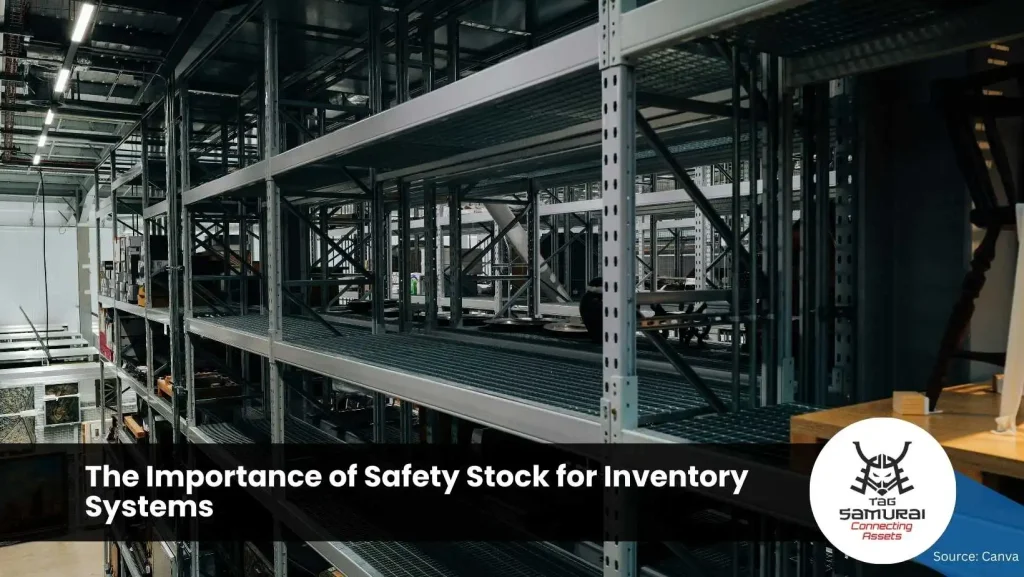
The Importance of Safety Stock for Inventory Systems

The Importance of Safety Stock for Inventory Systems

Safety stock serves as a critical buffer in inventory management, protecting businesses from unexpected disruptions in supply chains or demand fluctuations. By maintaining this extra inventory, companies mitigate the risks of stockouts, which can lead to lost sales and dissatisfied customers. Effective safety stock calculation ensures operational continuity and enhances overall supply chain resilience. In

The Importance of Safety Stock for Inventory Systems Read More »

Scroll to Top