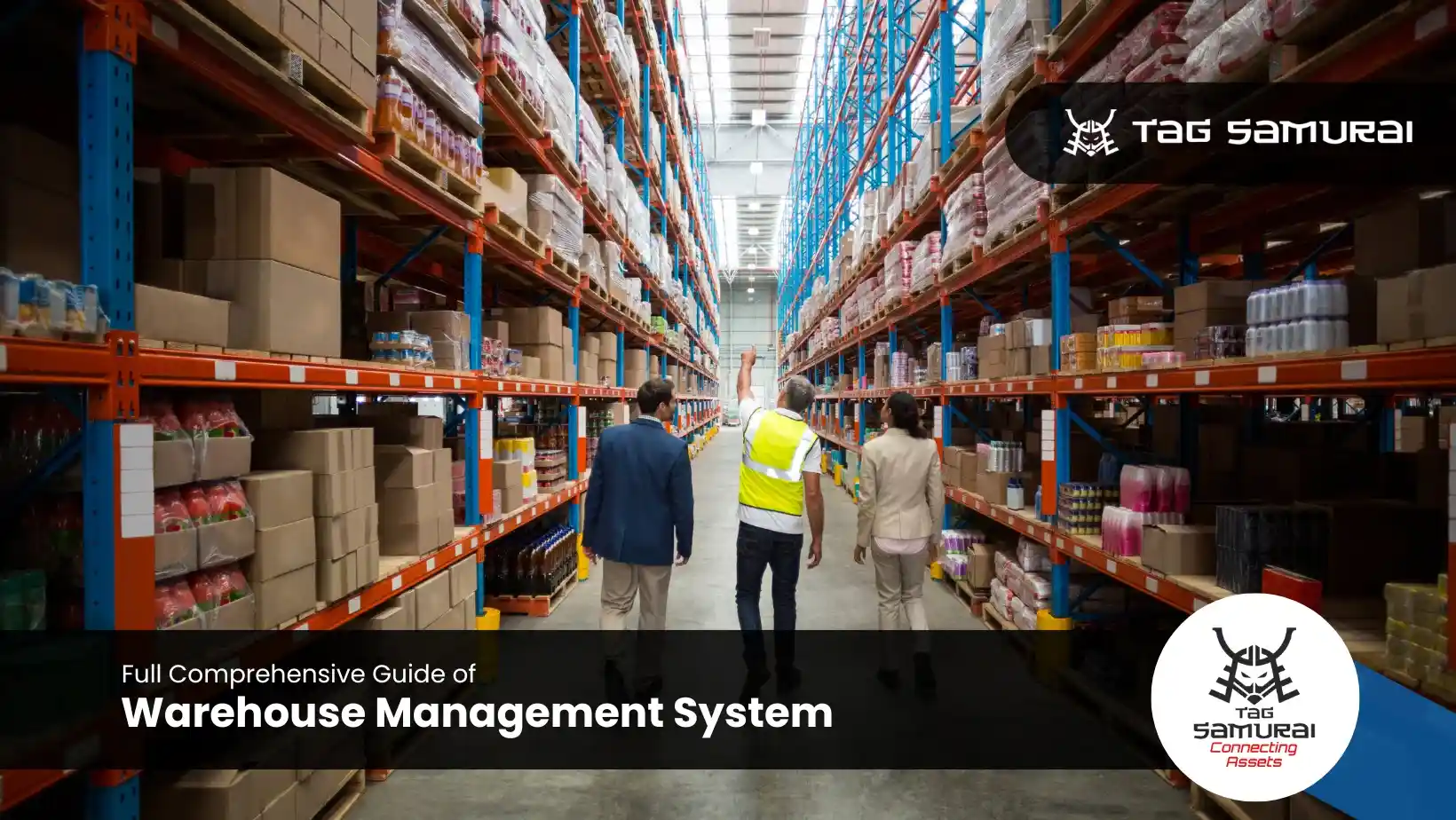
Proper stock storage is essential for maintaining inventory integrity and operational efficiency in any warehouse or retail setting. Understanding how stock should be stored involves implementing organized shelving, temperature controls, and inventory tracking systems to prevent spoilage, damage, or loss. These practices directly impact supply chain performance and cost savings.
To achieve maximum efficiency, businesses must prioritize methods like FIFO rotation, clear labeling, and secure racking tailored to product types. This approach minimizes retrieval times and errors while optimizing space utilization. Explore detailed strategies below to transform your stock storage into a streamlined asset.
Basics of Efficient Stock Storage
Efficient stock storage optimizes warehouse space, reduces retrieval time, and minimizes damage to goods. Proper inventory organization follows established supply chain principles, ensuring accessibility and rotation. Implementing these basics supports scalable operations in retail and manufacturing environments.
1. Assess Storage Needs
Begin by evaluating inventory types, volumes, and turnover rates. High-turnover items require front-line placement for quick access. Consider product dimensions, weight, and fragility to select appropriate shelving or racking systems. This foundational step aligns storage with operational demands, preventing bottlenecks.
2. Implement FIFO or LIFO Methods
First In, First Out (FIFO) suits perishable goods, rotating stock to avoid expiration. Last In, First Out (LIFO) works for non-perishables where newest items are easiest to access. Choose based on product lifecycle to maintain freshness and reduce waste in stock management.
- Label shelves clearly with bin locations and product codes.
- Use vertical space with mezzanine levels or high-bay racking for dense storage.
- Maintain 50-60% aisle width to balance access and space utilization.
3. Leverage Technology for Tracking
Integrate barcode scanners or RFID systems to monitor stock levels in real-time. This enables precise picking and restocking, enhancing overall efficiency. Automated solutions like warehouse management software (WMS) provide insights into storage patterns, optimizing layouts dynamically.
4. Prioritize Safety and Maintenance
Secure heavy items at lower levels to prevent accidents. Regularly inspect racking for stability and clean storage areas to avoid contamination. Adhering to OSHA guidelines ensures a safe environment, supporting long-term efficiency in inventory handling.
Adopting these practices transforms stock storage into a streamlined process, maximizing efficiency while cutting costs. Consistent application yields measurable improvements in throughput and resource use.
Optimizing Warehouse Layout Design
Effective warehouse layout design enhances operational efficiency by focusing on strategic stock storage. This approach minimizes travel time, reduces picking errors, and optimizes space utilization. Key to this is implementing proven methods like ABC analysis, where high-value items receive prime locations near packing areas.
1. Apply ABC Classification for Prioritized Placement
ABC classification categorizes inventory based on value and turnover. A items, representing 20% of stock but 80% of value, should occupy easily accessible slots near receiving and shipping zones. B and C items follow in progressively farther locations. This method, rooted in Pareto’s principle, streamlines order fulfillment and boosts throughput.
2. Zone the Warehouse for Logical Flow
Divide the warehouse into functional zones: receiving, storage, picking, and packing. Store fast-moving goods in forward picking areas to cut retrieval distances. Use vertical space with high-bay racking for slower items, ensuring compliance with safety standards like OSHA guidelines. Dynamic slotting adjusts placements based on seasonal demand shifts.
- Incorporate cross-docking for high-velocity items to bypass long-term storage.
- Leverage automation, such as conveyor systems, to link zones seamlessly.
- Monitor metrics like order cycle time to refine zoning.
3. Optimize Aisle and Slot Dimensions
Design aisles wide enough for equipment—typically 10-12 feet for forklifts—while maximizing storage density. Slot heights and depths should match item sizes to prevent wasted space. Implement fixed vs. random slotting: fixed for stable SKUs, random for variable demand. Regular audits ensure layouts adapt to inventory changes, maintaining peak efficiency.
For further insights on warehouse slotting techniques, explore advanced strategies at relevant resources.
Also Read: What is Warehouse Slotting
Controlling Temperature and Humidity
Maintaining precise temperature and humidity levels is essential for preserving stock integrity in storage facilities. Fluctuations can lead to spoilage, degradation, or reduced shelf life of goods, impacting overall efficiency. By implementing robust environmental controls, businesses ensure product quality and minimize waste.
1. Understanding Ideal Conditions
For most perishable items, temperatures between 2°C and 8°C prevent bacterial growth, while non-perishables thrive at 15°C to 25°C. Humidity should stay at 30-50% to avoid moisture-related issues like mold or material warping. These ranges vary by product category, such as electronics requiring low humidity to prevent corrosion.
Regular calibration of sensors and HVAC systems supports consistent microclimates, aligning with ISO 22000 standards for food safety or similar frameworks for other goods.
2. Best Practices for Monitoring
- Install automated systems with real-time alerts for deviations.
- Conduct daily logs and quarterly audits to verify compliance.
- Use zoning in large warehouses to tailor conditions to specific stock types, enhancing energy efficiency.
Integrating IoT devices allows predictive maintenance, reducing downtime and optimizing storage for maximum efficiency. This approach not only safeguards inventory but also complies with regulatory requirements like FDA guidelines for pharmaceuticals.
3. Mitigation Strategies
To counter seasonal variations, employ insulation, dehumidifiers, and backup generators. For high-value stock, consider refrigerated units or dry storage solutions. Training staff on protocols ensures proactive management, preventing costly losses from environmental mishaps.
- Seal doors and vents to minimize air exchange.
- Position sensitive items away from entry points.
- Invest in energy-efficient cooling to balance cost and control.
Ensuring Safety and Regulatory Compliance
1. Adhering to Industry Standards
Proper stock storage begins with compliance to established regulations like OSHA guidelines and local fire codes. These frameworks ensure worker safety while optimizing space utilization. For instance, maintaining clear aisles prevents accidents and facilitates quick inventory access, directly boosting operational efficiency in warehouse environments.
Businesses must conduct regular audits to verify adherence to these standards. This includes proper labeling of hazardous materials and secure shelving to avoid collapses. Such practices not only mitigate risks but also streamline stock rotation, reducing waste and enhancing inventory turnover rates.
2. Best Practices for Safe Storage
Implement segregated storage zones for different product types to comply with safety norms. Heavy items should be placed at lower levels to minimize lifting injuries, aligning with ergonomic principles. Temperature-controlled areas for perishable goods ensure regulatory compliance while preserving stock quality for maximum shelf life.
- Use sturdy racking systems rated for load capacities to prevent structural failures.
- Incorporate fire suppression systems and spill containment for chemical stocks.
- Train staff on handling protocols to foster a culture of safety and efficiency.
3. Monitoring and Documentation
Ongoing monitoring through inventory management software tracks compliance metrics. Document all storage procedures and incident reports to demonstrate due diligence during inspections. This proactive approach supports long-tail efficiency gains, such as faster audits and reduced downtime from non-compliance issues.
By prioritizing safety and regulatory adherence, organizations achieve sustainable stock storage solutions that maximize efficiency without compromising integrity. These measures form the backbone of resilient supply chain operations.
Selecting the Right Storage Equipment
Choosing appropriate storage equipment is crucial for optimizing warehouse operations and ensuring maximum efficiency in stock management. The right systems minimize space usage, enhance accessibility, and reduce handling times, directly impacting productivity and costs.
1. Evaluate Storage Requirements
Begin by assessing inventory types, volume, and turnover rates. Consider factors like item size, weight, and fragility to match equipment capabilities. For high-density needs, prioritize vertical space utilization in limited footprints.
Standard frameworks recommend categorizing stock into fast-moving and slow-moving items. This informs selections like selective pallet racking for versatile access or drive-in racks for bulk storage.
2. Explore Equipment Options
Pallet racks offer robust support for heavy loads, ideal for manufacturing environments. Shelving units suit lighter, smaller items in retail settings, promoting organized picking paths.
- – Mezzanine floors expand usable space without structural changes.
- – Automated storage and retrieval systems (AS/RS) boost speed for high-volume operations.
- – Mobile shelving maximizes density in archival storage.
3. Prioritize Safety and Compliance
Select equipment adhering to OSHA guidelines and industry standards like those from the Rack Manufacturers Institute. Incorporate features such as load indicators and seismic bracing for durability.
Regular audits ensure ongoing efficiency. Integrating inventory software with storage setups further streamlines tracking and replenishment processes.
4. Calculate ROI and Scalability
Weigh initial costs against long-term savings in labor and space. Scalable solutions allow future expansions, maintaining efficiency as business grows. Expert consultations can refine choices for optimal warehouse layouts.
Organizing Inventory for Quick Access
Efficient inventory organization ensures quick access to stock, minimizing retrieval time and boosting operational efficiency. Proper stock storage methods, such as zoning and categorization, allow businesses to locate items swiftly, reducing errors and labor costs. This approach aligns with lean inventory principles, optimizing warehouse space and workflow.
1. Establish Clear Categorization
Begin by grouping items based on type, size, frequency of use, or ABC analysis, where high-value items receive priority placement. Semantic variants like inventory classification help in creating intuitive sections. For long-tail queries on how to organize warehouse stock for fast retrieval, focus on logical hierarchies that match daily picking patterns.
- Use ABC method: A items near packing areas for quick access.
- Group by product family to streamline searches.
- Apply FIFO for perishables to maintain stock rotation.
2. Optimize Storage Layout
Design the storage area with accessibility in mind, placing frequently accessed stock at eye level or in easy-reach zones. Vertical storage solutions like shelving units maximize space without compromising efficiency. Best practices include dedicated aisles wide enough for equipment, ensuring smooth navigation in high-volume environments.
- Implement zone picking to divide the warehouse into specialized areas.
- Reserve floor space for bulky items, using racks for smaller goods.
- Regularly audit layout to adapt to changing inventory needs.
3. Enhance Labeling and Tracking
Clear, standardized labels with barcodes or RFID tags facilitate rapid identification. Integrate these with inventory management systems for real-time tracking. This method addresses queries on efficient stock storage techniques by enabling instant location via digital tools.
- Use color-coded labels for categories.
- Include bin locations and expiration dates.
- Train staff on labeling protocols to maintain consistency.
For advanced stock control tips and strategies, explore resources. Adopting these practices leads to measurable improvements in inventory turnover and overall efficiency.
Implementing FIFO Stock Rotation (First In, First Out)
FIFO, or First In, First Out, is a fundamental inventory management principle that ensures older stock is used or sold before newer arrivals. This method minimizes waste, particularly for perishable items, and maintains product quality in warehouses and retail settings. By prioritizing stock rotation based on arrival dates, businesses achieve optimal storage efficiency and reduce holding costs.
1. Benefits of FIFO in Inventory Control
Implementing FIFO stock rotation enhances overall supply chain efficiency. It prevents spoilage of goods like food or pharmaceuticals, where freshness is critical. Additionally, it aligns with regulatory standards in industries such as manufacturing and logistics, ensuring compliance and traceability. Warehouses using FIFO report up to 20% reduction in obsolete inventory, based on industry benchmarks.
- Improved cash flow through timely stock turnover
- Reduced risk of product expiration and returns
- Better demand forecasting with consistent inventory levels
2. Steps to Implement FIFO Effectively
Begin by organizing storage areas into clearly marked zones for incoming and outgoing stock. Use labeling systems with dates to track entry times. Train staff on rotation protocols to integrate FIFO into daily operations seamlessly.
- Assess current inventory and rearrange shelves to place older items at the front or picking points
- Adopt inventory software for automated tracking and alerts on expiring stock
- Conduct regular audits to verify adherence and adjust layouts as needed
- Integrate FIFO with other methods like ABC analysis for high-value items
3. Common Challenges and Solutions
Challenges in FIFO implementation include space constraints and staff resistance. Address these by redesigning layouts for easy access and providing ongoing training. For high-volume environments, RFID tags or barcode scanners streamline the process, ensuring accurate first in first out inventory rotation without disrupting workflow.
Overall, FIFO promotes maximum efficiency in stock storage by systematically managing inventory flow. Businesses adopting this approach see sustained improvements in operational performance and customer satisfaction.
Integrating Automation Tools
Automation tools revolutionize stock storage by optimizing space utilization, reducing errors, and enhancing retrieval speed. In warehouse management, integrating systems like automated storage and retrieval systems (AS/RS) and robotic palletizers ensures maximum efficiency. These technologies align with lean inventory principles, minimizing waste while maximizing throughput.
1. Assessing Warehouse Needs
Begin by evaluating current storage layouts and inventory turnover rates. Identify bottlenecks in manual processes, such as picking inaccuracies or space underutilization. Tools like warehouse management software (WMS) provide analytics to pinpoint areas for automation integration, ensuring stock is stored based on demand frequency and item dimensions.
2. Selecting Compatible Automation Solutions
Choose tools that integrate seamlessly with existing infrastructure. For instance, vertical lift modules (VLMs) maximize vertical space for high-density storage, ideal for slow-moving items. Conveyor systems streamline movement between storage zones, reducing handling time. Prioritize scalable solutions that support real-time inventory tracking via RFID or barcode scanning.
- Evaluate ROI through pilot testing to confirm efficiency gains.
- Ensure compatibility with ERP systems for end-to-end visibility.
- Consider energy-efficient models to lower operational costs.
3. Implementation Best Practices
Phased rollout minimizes disruptions: start with high-impact areas like receiving docks. Train staff on new interfaces to foster adoption. Regular maintenance schedules prevent downtime, maintaining optimal stock flow. For comprehensive guidance on warehouse systems, explore resources on warehouse management systems.
Integrating these tools not only boosts storage efficiency but also scales with business growth, supporting sustainable practices through reduced material handling.
Also Read: Warehouse Management System Complete Explanation
Monitoring and Auditing Storage Practices
Effective stock storage demands ongoing oversight to ensure maximum efficiency in warehouse operations. Monitoring and auditing practices help identify inefficiencies, prevent losses, and maintain optimal inventory levels. By implementing structured audits, businesses can align storage methods with best practices for space utilization and accessibility.
1. Establishing Monitoring Protocols
Begin with clear protocols for daily monitoring of storage areas. Use inventory management software to track stock movements in real-time. This approach minimizes errors in stock placement and rotation, ensuring first-in, first-out (FIFO) compliance for perishable goods. Regular checks on shelving integrity and labeling accuracy further enhance retrieval speed and reduce downtime.
2. Conducting Periodic Audits
Schedule comprehensive audits quarterly or bi-annually to evaluate storage practices. Physical counts verify digital records, uncovering discrepancies like overstocking or misplacement. Analyze audit data to refine layout designs, optimizing pathways for forklift and picker efficiency. This systematic review supports scalable storage solutions tailored to demand fluctuations.
- Focus on high-value items during audits to prioritize risk management.
- Incorporate cycle counting to avoid full shutdowns, maintaining operational flow.
- Document findings with actionable insights for continuous improvement.
3. Leveraging Technology for Auditing
Integrate RFID tags and barcode scanners for automated monitoring, streamlining audit processes. These tools provide precise data on stock location and condition, facilitating quick adjustments to storage configurations. Advanced analytics from such systems predict storage needs, preventing overcrowding and supporting lean inventory strategies.
Ultimately, robust monitoring and auditing foster a culture of accountability, driving warehouse efficiency through informed decision-making and proactive maintenance.
Also Read: 7 Tips to Improve Warehouse Efficiency
Optimize Warehouse Stock Storage Using TAG Samurai

In warehouse environments focused on efficient stock storage, managing fixed assets like racking systems, shelving, and handling equipment is essential for maintaining operational flow. TAG Samurai offers robust fixed asset management tools to track these resources, ensuring they remain in optimal condition to support inventory organization, FIFO rotation, and safety compliance.
With real-time monitoring and maintenance scheduling, TAG Samurai helps prevent equipment failures that could disrupt stock retrieval or layout efficiency. It integrates seamlessly with warehouse management systems, providing insights into asset utilization that align with ABC classification and zoning strategies discussed earlier.
By adopting TAG Samurai, businesses can enhance overall warehouse productivity, reduce downtime, and scale storage solutions effectively. To explore how fixed asset management can elevate your stock storage practices, schedule a free consultation today.
FAQ
1. What is the best way to store stock in a warehouse?
Efficient stock storage starts with assessing inventory types, volumes, and turnover rates to select appropriate shelving or racking systems. Place high-turnover items in front-line locations for quick access and use vertical space to maximize warehouse capacity. Implementing these practices reduces retrieval time and minimizes damage while aligning with operational demands.
2. How do I implement FIFO for stock storage?
FIFO, or First In, First Out, ensures older stock is used before newer arrivals by organizing storage into marked zones for incoming and outgoing items. Label shelves with dates to track entry times and train staff on rotation protocols to integrate it into daily operations. This method is ideal for perishable goods, preventing spoilage and maintaining product quality while reducing waste.
3. What temperature should stock be stored at?
For perishable items, maintain temperatures between 2°C and 8°C to prevent bacterial growth, while non-perishables do well at 15°C to 25°C. Keep humidity levels at 30-50% to avoid issues like mold or warping, adjusting based on product type such as lower humidity for electronics. Regular monitoring with calibrated sensors and HVAC systems ensures consistent conditions and preserves stock integrity.
4. How should I organize stock for quick retrieval?
Organize stock using ABC classification, placing high-value A items in easily accessible spots near packing areas and slower B and C items farther away. Design logical zones for receiving, storage, picking, and packing to minimize travel time, with fast-moving goods in forward areas. Clear labeling and tracking tools like barcodes enhance identification, streamlining order fulfillment and boosting efficiency.
5. What are the safety guidelines for stock storage?
Secure heavy items at lower shelf levels to prevent accidents and maintain clear aisles wide enough for equipment, adhering to OSHA guidelines. Regularly inspect racking for stability, segregate hazardous materials, and ensure proper labeling to comply with fire codes and industry standards. These practices not only protect workers but also support efficient inventory access and reduce downtime from incidents.
6. When should I use LIFO versus FIFO for inventory?
Use FIFO for perishable or time-sensitive goods to rotate stock and avoid expiration, ensuring freshness in retail and manufacturing. Opt for LIFO with non-perishables where newest items need quick access, simplifying retrieval in stable environments. Choose based on product lifecycle to minimize waste and align storage with supply chain needs for optimal efficiency.
7. How does ABC analysis improve stock storage?
ABC analysis categorizes inventory by value and turnover, prioritizing 20% of high-value A items for prime locations to streamline fulfillment. Place B and C items in progressively less accessible areas, rooted in Pareto’s principle for better space utilization. This method reduces picking errors, cuts travel time, and enhances overall warehouse throughput.
8. What equipment is best for storing different types of stock?
Pallet racks suit heavy loads in manufacturing, while shelving units work for lighter retail items to promote organized picking. Evaluate item size, weight, and fragility to match equipment, using vertical lift modules for high-density storage of slow-moving goods. Select options compliant with OSHA standards for safety and scalability to support growing operations.
9. How can technology help with stock storage efficiency?
Integrate barcode scanners, RFID, or warehouse management software for real-time tracking and dynamic layout optimization based on demand. Automation like AS/RS reduces errors and retrieval time by automating picking in high-volume areas. These tools provide insights into storage patterns, enabling proactive adjustments for maximum space use and minimal waste.
10. How do I monitor and audit stock storage practices?
Establish daily protocols with inventory software for real-time monitoring of stock levels and movements, ensuring FIFO compliance. Conduct quarterly physical audits to verify records and refine layouts, using RFID for automated data collection. Analyze findings to address inefficiencies, preventing losses and maintaining peak operational efficiency in the warehouse.
Conclusions
Optimizing how stock should be stored requires a multifaceted approach that integrates assessment of inventory needs, strategic layout design, and adherence to safety standards. Implementing ABC classification, FIFO rotation for perishables, and zoning for logical flow minimizes retrieval times and maximizes space utilization. Leveraging technologies like RFID tracking and warehouse management software ensures real-time visibility, while environmental controls preserve product integrity across diverse categories. Selecting appropriate equipment, such as pallet racking or shelving, tailored to item characteristics further enhances accessibility and reduces handling costs.
By prioritizing regulatory compliance, ongoing monitoring, and automation integration, businesses achieve sustainable efficiency in stock storage operations. These practices not only cut waste and errors but also scale with demand fluctuations, delivering measurable improvements in throughput and resource allocation. Adopting these evidence-based methods transforms warehouse management, ensuring resilient supply chains that support long-term profitability and operational excellence.
See also: Inventory Accounting

- First in First Out: Why This Queuing Matters - 04/05/2023
- The Importance of Safety Stock for Inventory Systems - 02/05/2023
- how should stock be stored for Maximum Efficiency - 01/05/2023