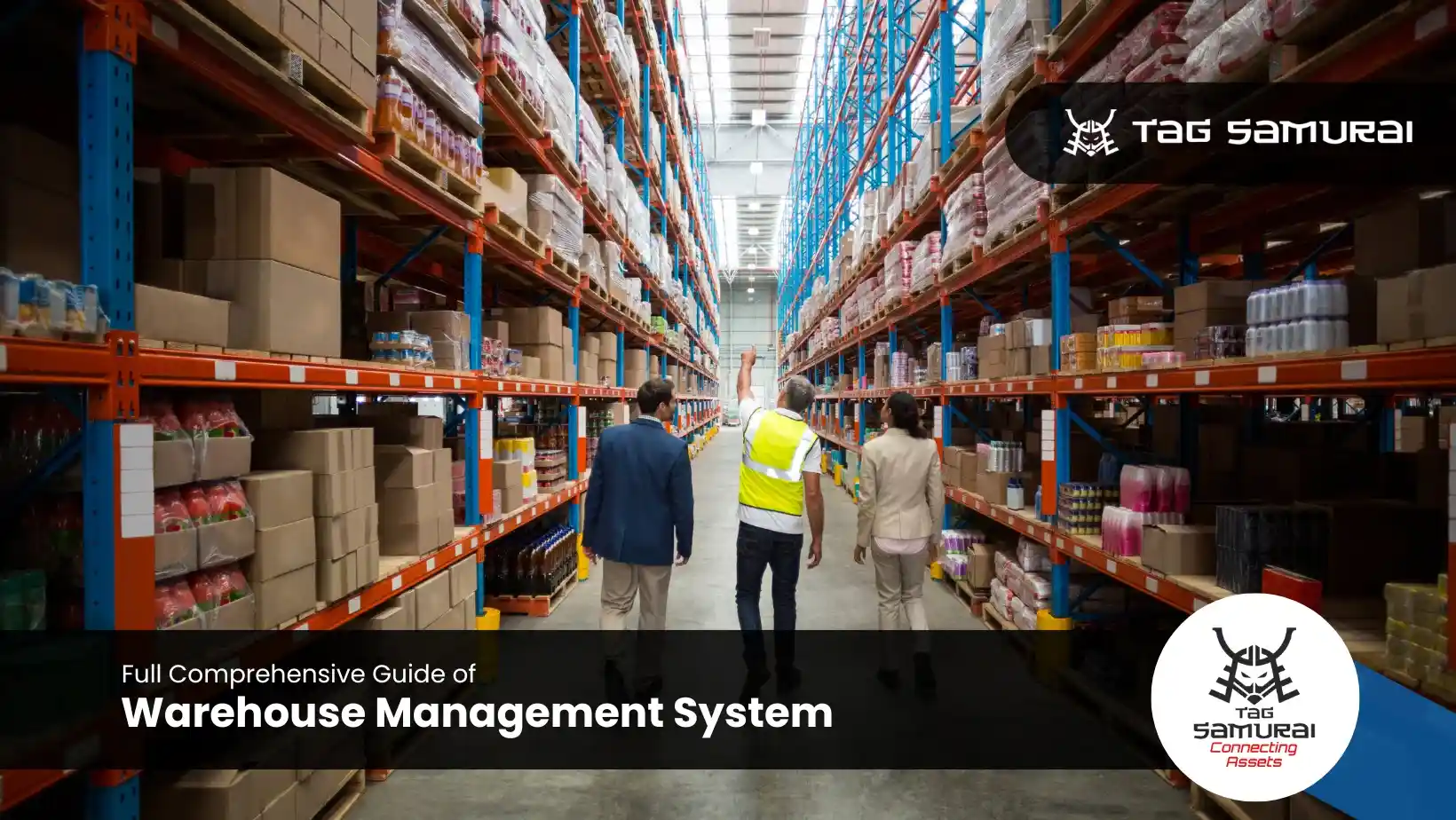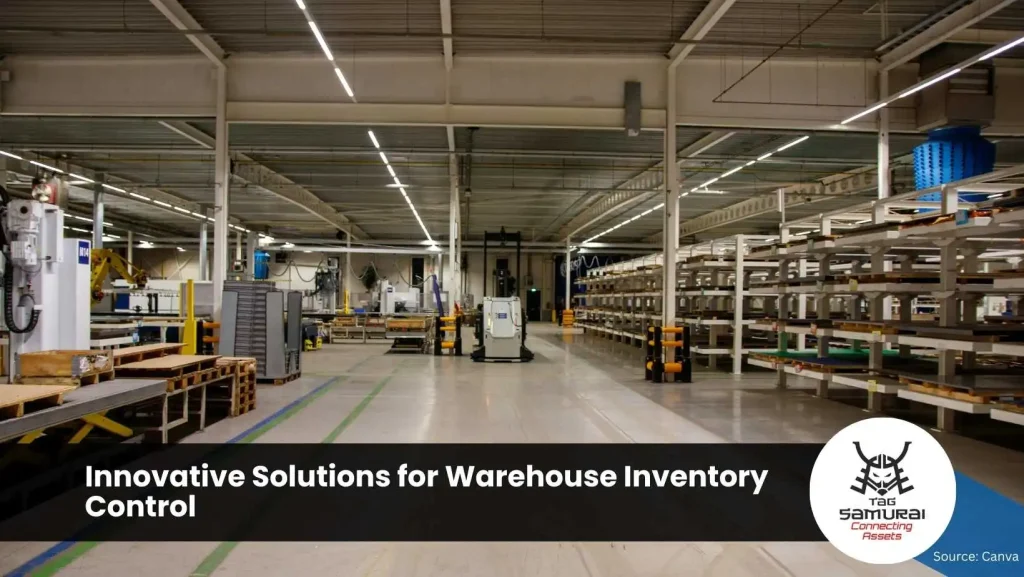
Effective warehouse inventory management stands as a cornerstone of modern supply chain operations, ensuring seamless stock tracking and minimizing costly errors. Businesses increasingly rely on precise warehouse inventory control to meet rising demands for speed and accuracy in fulfillment processes. This foundation directly impacts profitability by reducing overstock and stockouts through data-driven oversight.
Innovative solutions for warehouse inventory control integrate cutting-edge technologies like RFID tagging, AI analytics, and automated storage systems to elevate efficiency. These advancements enable real-time visibility and predictive inventory forecasting, transforming traditional warehouses into agile, responsive hubs. Delving into these strategies reveals pathways to optimized operations and sustained growth in competitive logistics landscapes.
Understanding Warehouse Inventory Challenges
1. Inaccurate Stock Levels and Tracking
Warehouse inventory challenges often stem from inaccurate stock levels, leading to discrepancies between recorded and actual inventory. Manual counting errors, theft, or misplaced items exacerbate this issue, resulting in overstocking or stockouts. According to industry standards from the Warehousing Education and Research Council, precise tracking is essential for supply chain efficiency.
Long-tail queries like ‘how to prevent inventory discrepancies in warehouses’ highlight the need for robust systems. Semantic variants such as real-time inventory monitoring address these pain points by integrating barcode scanning and IoT sensors for continuous updates.
2. Demand Forecasting Difficulties
Predicting demand remains a core challenge in warehouse management, influenced by seasonal fluctuations, market trends, and supply chain disruptions. Inaccurate forecasts can tie up capital in excess inventory or cause lost sales from shortages. Best practices recommend using data analytics frameworks like exponential smoothing to refine predictions.
- Leverage historical sales data combined with AI algorithms for better accuracy.
- Incorporate external factors such as economic indicators to enhance forecasting models.
- Adopt just-in-time inventory practices to minimize holding costs.
3. Labor and Process Inefficiencies
Labor shortages and outdated processes contribute to inefficiencies in warehouse operations. Picking errors, slow cycle counts, and poor layout design increase operational costs. The International Warehouse Logistics Association emphasizes automation and employee training as key frameworks for improvement.
Contextual keywords like ‘optimizing warehouse workflows for efficiency’ point to solutions such as warehouse management systems (WMS) that streamline tasks. These tools reduce human error through guided picking and automated replenishment, ensuring scalable inventory control.
4. Integration with Supply Chain Systems
Fragmented systems hinder seamless data flow between procurement, storage, and distribution. Challenges arise from incompatible software, delaying decision-making. Adopting ERP integrations follows accepted standards for holistic visibility, mitigating risks in global supply chains.
- Implement API-based connections for real-time synchronization.
- Conduct regular audits to align inventory data across platforms.
- Utilize cloud-based solutions for flexible scalability.
Role of Automation in Modern Warehouses
Automation transforms warehouse operations by integrating advanced technologies to streamline inventory control. In today’s fast-paced logistics environment, systems like automated storage and retrieval (AS/RS) and robotic process automation (RPA) ensure precise tracking and reduce human error. These innovations address challenges in inventory management, such as stock discrepancies and order fulfillment delays.
1. Core Technologies Driving Warehouse Automation
Key tools include radio-frequency identification (RFID) tags for real-time asset tracking and Internet of Things (IoT) sensors that monitor stock levels continuously. Warehouse management systems (WMS) powered by artificial intelligence (AI) analyze data to predict demand and optimize storage layouts. Conveyor systems and automated guided vehicles (AGVs) facilitate seamless movement of goods, enhancing overall efficiency in inventory handling.
2. Benefits for Inventory Control
- Improved Accuracy: Automation minimizes manual data entry errors, achieving up to 99% inventory accuracy.
- Faster Processing: Robotic systems speed up picking and packing, reducing cycle times by 30-50%.
- Cost Savings: Reduced labor needs and fewer errors lower operational costs over time.
- Scalability: Easily adapts to fluctuating demand without proportional increases in staff.
Implementing automation requires assessing current workflows and integrating compatible software. Best practices involve phased rollouts, staff training, and regular system audits to maintain reliability. Companies adopting these solutions report enhanced supply chain visibility and customer satisfaction.
3. Future Trends in Automated Warehousing
Emerging trends like machine learning for predictive maintenance and drone-assisted inventory checks promise further innovations. As e-commerce grows, automation will be essential for maintaining competitive edges in warehouse inventory control, ensuring agility and precision in global distribution networks.
Also Read: What is Warehouse Automation
Leveraging RFID for Accurate Tracking
Radio Frequency Identification (RFID) technology enables real-time tracking of goods in warehouses, surpassing traditional barcode systems. By attaching RFID tags to items, pallets, or containers, businesses achieve precise location data without line-of-sight scanning. This method supports seamless inventory control, reducing errors and improving operational efficiency.
1. Core Components of RFID Systems
RFID systems consist of tags, readers, and software integration. Passive tags, powered by reader signals, suit cost-effective applications, while active tags with batteries offer longer range for high-value assets. Readers capture signals via antennas, feeding data into centralized platforms for analysis.
In warehouse settings, integrating RFID with enterprise resource planning (ERP) systems ensures automated updates to stock levels, minimizing manual entry discrepancies.
2. Enhancing Accuracy in Inventory Tracking
RFID provides unparalleled accuracy by reading multiple tags simultaneously, even through packaging. This capability addresses common pain points like stockouts or overstocking, enabling just-in-time inventory practices.
- Bulk scanning speeds up receiving and shipping processes.
- Real-time visibility prevents shrinkage and aids cycle counts.
- Data analytics from RFID logs support predictive maintenance for equipment.
3. Best Practices for RFID Implementation
Start with a pilot program in a single zone to test tag durability and reader placement. Ensure compatibility with existing infrastructure and train staff on system use. Regular audits validate data integrity, aligning with standards like ISO 18000 for RFID interoperability.
Challenges such as metal interference require specialized tags, but solutions like on-metal designs mitigate issues. Overall, RFID deployment yields ROI through labor savings and error reduction in warehouse management.
Also Read: The Advantages of RFID Warehouse Management
IoT Solutions for Real-Time Monitoring
IoT technologies enable precise, real-time oversight of warehouse operations, transforming traditional inventory management into dynamic systems. Sensors and connected devices collect data on stock levels, locations, and movements, allowing for immediate insights and adjustments.
1. Sensor Integration for Stock Tracking
RFID tags and Bluetooth beacons attached to inventory items provide continuous location data. These IoT solutions integrate with warehouse management systems (WMS) to update records in real time, reducing errors from manual counts. For instance, smart shelves equipped with weight sensors detect item removals instantly, triggering automated reorder alerts.
This approach supports long-tail queries like ‘how IoT sensors improve warehouse stock accuracy,’ by ensuring data accuracy up to 99% through automated verification.
2. Predictive Analytics and AI Enhancements
IoT data feeds into AI algorithms for predictive inventory forecasting. By analyzing patterns in demand and supply chain disruptions, systems anticipate shortages or overstock. Best practices include using edge computing to process data locally, minimizing latency in decision-making.
- Implement scalable IoT platforms like AWS IoT or Azure IoT for seamless integration.
- Adopt standards such as MQTT protocol for efficient device communication.
- Regularly audit sensor networks to maintain data integrity.
3. Automated Workflow Optimization
Real-time monitoring facilitates automated picking and packing via robotic systems guided by IoT signals. Drones and AGVs navigate warehouses using beacon networks, optimizing routes and reducing labor costs. This innovation addresses queries on ‘IoT-driven automation in inventory control’ by enhancing throughput by 30-50%.
Security features, including encrypted data transmission, protect sensitive inventory information. Overall, these IoT solutions drive efficiency, scalability, and compliance in warehouse environments.
Best Practices and Case Studies
1. Adopting Advanced Warehouse Management Systems (WMS)
Integrating a robust warehouse management system streamlines inventory tracking and reduces errors in stock levels. WMS software automates processes like order fulfillment and cycle counting, ensuring real-time visibility. Businesses following this practice report up to 30% improvement in inventory accuracy, according to industry benchmarks from logistics experts.
Key steps include selecting scalable WMS compatible with existing ERP systems and training staff on its features. Regular audits help maintain system integrity, preventing discrepancies that lead to overstocking or stockouts.
- Conduct periodic software updates to incorporate AI-driven forecasting.
- Integrate barcode or RFID technology for faster data capture.
2. Leveraging RFID and IoT for Real-Time Monitoring
Radio-frequency identification (RFID) tags and Internet of Things (IoT) sensors provide precise location tracking of goods, minimizing manual errors. This approach supports just-in-time inventory strategies, optimizing space and capital.
Implementing RFID involves tagging high-value items and setting up reader networks. IoT integration allows predictive maintenance on storage equipment, enhancing overall warehouse efficiency. Studies show RFID adoption cuts inventory shrinkage by 50% in large-scale operations.
3. Case Study: Retail Giant’s Inventory Overhaul
A leading global retailer faced chronic stock discrepancies across 500+ warehouses. By deploying an AI-enhanced WMS with RFID, they achieved 99% inventory accuracy within six months. This innovation reduced labor costs by 25% and improved order fulfillment speed.
The project emphasized employee training and phased rollout, starting with pilot sites. Post-implementation, customer satisfaction scores rose due to reliable product availability, demonstrating scalable benefits of tech-driven inventory control.
4. Case Study: Manufacturing Firm’s ABC Analysis Success
A manufacturing company applied ABC analysis to categorize inventory by value and turnover. High-value A items received RFID tracking, while C items used simpler methods. This framework cut carrying costs by 40% and boosted throughput.
Collaboration with supply chain partners ensured data synchronization. The result: streamlined replenishment processes and fewer disruptions, aligning with best practices for dynamic warehouse environments.
Also Read: 7 Tips to Improve Warehouse Efficiency
Basics of Effective Inventory Control
Effective inventory control forms the foundation for optimizing warehouse operations. It involves systematically tracking stock levels, minimizing discrepancies, and ensuring product availability without excess holding costs. In warehouse settings, mastering these basics enables the adoption of advanced technologies for streamlined inventory management.
1. Core Components of Inventory Control
Inventory control relies on accurate data inputs, including receiving, storage, and issuance records. Key elements encompass cycle counting to verify stock accuracy and reorder point calculations to trigger restocking. These fundamentals reduce stockouts and overstock, directly impacting warehouse efficiency and cost savings.
Understanding demand forecasting integrates historical sales data with market trends, allowing warehouses to maintain optimal stock levels. This proactive approach supports scalable operations, paving the way for automated systems in modern inventory optimization.
2. Essential Techniques for Stock Tracking
- ABC Analysis: Categorizes inventory by value, prioritizing high-impact items for frequent monitoring.
- Just-in-Time (JIT) Inventory: Minimizes storage by aligning orders with production needs, reducing waste.
- Perpetual Inventory Systems: Provides real-time updates through barcode scanning and RFID technology.
Implementing these techniques enhances visibility across the supply chain. For warehouses, combining manual checks with digital tools ensures precise stock control, mitigating risks like obsolescence or theft.
3. Best Practices for Implementation
Start with standardized procedures for inbound and outbound processes to maintain data integrity. Regular audits and employee training foster a culture of accountability. Leveraging software for inventory tracking automates routine tasks, allowing focus on strategic decisions.
- Conduct periodic physical inventories to reconcile records.
- Set safety stock levels based on lead times and variability.
- Integrate ERP systems for seamless data flow across departments.
By adhering to these practices, warehouses achieve higher throughput and responsiveness. Effective control not only cuts costs but also supports innovative solutions like AI-driven predictive analytics for future-proofing operations.
AI and Predictive Analytics for Forecasting
AI and predictive analytics revolutionize warehouse inventory control by enabling precise demand forecasting. These technologies analyze historical data, market trends, and external factors to predict future inventory needs. In warehouse settings, this approach minimizes stockouts and overstock, optimizing space and costs. By integrating machine learning algorithms, businesses achieve higher accuracy in inventory predictions compared to traditional methods.
1. Core Principles of Predictive Analytics
Predictive analytics uses statistical models and data mining to forecast outcomes. For warehouse inventory, it processes sales data, seasonal patterns, and supply chain variables. Tools like time-series analysis and regression models identify trends. This ensures proactive replenishment, reducing holding costs by up to 20-30% according to industry benchmarks.
Key inputs include point-of-sale data, supplier lead times, and economic indicators. Outputs guide automated reorder points and safety stock levels, aligning inventory with actual demand fluctuations.
2. AI’s Integration for Advanced Forecasting
Artificial intelligence enhances predictive analytics through deep learning and neural networks. AI systems learn from vast datasets, detecting subtle patterns humans might miss. In warehouse management, AI-powered software like ERP integrations forecast demand at granular levels, such as by SKU or region.
- Improved accuracy: AI reduces forecasting errors by 50% or more.
- Real-time adjustments: Handles disruptions like supply delays instantly.
- Scalability: Manages complex, multi-channel inventory scenarios.
3. Best Practices for Implementation
Start with data quality assessment to ensure clean, integrated sources. Select AI tools compatible with existing warehouse systems, such as WMS. Train staff on interpreting forecasts and pilot in one facility before full rollout.
- Leverage cloud-based platforms for flexibility.
- Monitor KPIs like forecast accuracy and inventory turnover.
- Regularly update models with new data for ongoing precision.
Adopting these strategies positions warehouses for efficient, data-driven inventory control, supporting sustainable operations and customer satisfaction.
Cloud-Based Systems for Scalable Control
Cloud-based systems revolutionize warehouse inventory control by offering scalable solutions that adapt to fluctuating demands. These platforms enable real-time data access, ensuring efficient management of stock levels, order fulfillment, and supply chain operations without the limitations of on-premise infrastructure.
1. Key Advantages of Cloud Integration
Implementing cloud solutions for warehouse management provides flexibility in scaling resources during peak seasons. Businesses can avoid costly hardware upgrades, focusing instead on software that integrates seamlessly with existing enterprise resource planning (ERP) systems. This approach supports data-driven decisions through advanced analytics.
- Enhanced accessibility: Remote monitoring from any device improves operational oversight.
- Cost efficiency: Pay-as-you-go models reduce upfront investments.
- Security features: Built-in encryption and compliance tools protect sensitive inventory data.
2. Core Features for Scalable Inventory Control
Modern cloud platforms incorporate inventory tracking via RFID and barcode technologies, automating stock audits and minimizing errors. They facilitate predictive forecasting using AI algorithms to anticipate demand shifts, optimizing reorder points and reducing overstock.
- Automated workflows: Streamline picking, packing, and shipping processes.
- Integration capabilities: Connect with e-commerce platforms for synchronized order management.
- Real-time reporting: Generate insights on turnover rates and cycle counts for proactive adjustments.
3. Best Practices for Implementation
To maximize scalability, select cloud providers with robust APIs for custom integrations. Conduct thorough training for warehouse staff on the system interface to ensure smooth adoption. Regularly audit performance metrics to refine processes, aligning with industry standards like those from the Warehousing Education and Research Council.
- Start with pilot testing in one warehouse zone to identify bottlenecks.
- Ensure data backup and disaster recovery protocols are in place.
- Monitor scalability by simulating high-volume scenarios.
Also Read: Warehouse Management System Complete Explanation
Future Innovations in Inventory Management
Advancements in technology are reshaping warehouse inventory control, enabling more efficient stock tracking and optimization. Future innovations focus on integrating smart systems to reduce errors, minimize costs, and enhance supply chain responsiveness. These developments build on current practices like barcode scanning and ERP systems, pushing toward automated, data-driven decision-making.
1. AI-Powered Predictive Analytics
Artificial intelligence will revolutionize inventory forecasting by analyzing historical data, market trends, and external factors like weather or geopolitical events. Machine learning algorithms predict demand fluctuations, allowing warehouses to maintain optimal stock levels without overstocking or shortages. This approach supports just-in-time inventory strategies, reducing holding costs by up to 20-30% according to industry benchmarks.
In practice, AI tools integrate with existing warehouse management systems (WMS) to provide real-time insights, enabling proactive adjustments in replenishment schedules.
2. IoT and Real-Time Tracking
Internet of Things (IoT) sensors embedded in shelves, pallets, and products will enable continuous monitoring of inventory status. This technology facilitates automated alerts for low stock or misplaced items, improving accuracy in warehouse operations. Combined with RFID tags, IoT supports seamless location tracking, cutting manual audits and boosting throughput rates.
- Enhanced visibility into goods movement across the supply chain.
- Integration with robotics for dynamic picking and packing processes.
3. Blockchain for Supply Chain Transparency
Blockchain technology promises immutable records of inventory transactions, from supplier to end-user. In warehouse settings, it verifies product authenticity and traceability, crucial for industries like pharmaceuticals and luxury goods. Smart contracts automate compliance checks, streamlining audits and reducing fraud risks.
Adopting blockchain enhances collaboration with partners, fostering resilient inventory ecosystems amid disruptions.
4. Robotic Automation and Drones
Autonomous robots and drones will handle inventory tasks such as counting, sorting, and transporting goods within warehouses. These systems use AI vision to navigate complex layouts, increasing efficiency in high-volume environments. Future integrations with augmented reality (AR) guides will assist human workers in complex inventory controls.
- Scalable solutions for e-commerce fulfillment centers.
- Reduced labor dependencies, addressing workforce shortages.
Overall, these innovations in warehouse inventory management will drive sustainable practices, with energy-efficient automation and data analytics optimizing resource use. Businesses adopting these technologies early will gain competitive edges in precision stock control and agile operations.
Optimize Warehouse Fixed Assets with TAG Samurai

In warehouse environments where inventory control relies on reliable infrastructure, managing fixed assets like machinery, shelving, and equipment is essential. TAG Samurai provides a robust fixed asset management solution that integrates RFID and IoT for precise tracking, ensuring assets are maintained and positioned to support efficient operations.
This approach addresses common challenges such as asset misplacement or downtime, which can disrupt inventory accuracy and automation workflows. By offering real-time insights and predictive maintenance alerts, TAG Samurai enhances overall warehouse efficiency, reduces costs, and aligns with trends in AI-driven and cloud-based systems.
Explore practical applications for your facility and see how it complements inventory management strategies. Schedule a Free Consultation
FAQ
1. How to prevent inventory discrepancies in warehouses?
Inventory discrepancies often arise from manual errors, theft, or misplaced items. To prevent them, implement real-time tracking using barcode scanning and IoT sensors for continuous updates on stock levels. Regular cycle counts and automated systems like WMS can verify accuracy, reducing overstocking or stockouts and improving supply chain efficiency.
2. What is real-time inventory monitoring and why is it important?
Real-time inventory monitoring uses technologies like RFID and IoT to provide instant updates on stock levels and locations without manual intervention. It’s crucial for avoiding discrepancies between recorded and actual inventory, enabling quick responses to issues like shortages. This approach enhances operational efficiency and supports better decision-making in fast-paced warehouse environments.
3. How does demand forecasting help in warehouse inventory control?
Demand forecasting analyzes historical data, market trends, and seasonal patterns to predict future inventory needs accurately. It helps warehouses avoid excess stock that ties up capital or shortages that lead to lost sales. Using tools like exponential smoothing or AI algorithms, businesses can optimize reorder points and maintain just-in-time inventory practices.
4. What are the main benefits of warehouse automation for inventory management?
Warehouse automation, including AGVs and conveyor systems, streamlines goods movement and reduces human errors in picking and tracking. It provides precise inventory control, cutting labor costs and improving order fulfillment speed. Companies adopting these solutions often see up to 30% gains in efficiency and supply chain visibility.
5. How does RFID technology improve warehouse inventory tracking?
RFID tags allow for simultaneous reading of multiple items without line-of-sight, providing accurate location data in real time. This surpasses barcodes by reducing manual entry errors and enabling just-in-time practices. Integrating RFID with ERP systems automates stock updates, minimizing discrepancies and shrinkage by up to 50%.
6. What role do IoT sensors play in warehouse stock accuracy?
IoT sensors, like those on smart shelves, detect item movements and levels instantly, updating records automatically. They improve accuracy to 99% by eliminating manual counts and triggering reorder alerts. Combined with AI, IoT enables predictive maintenance and optimized workflows, boosting throughput by 30-50%.
7. What is a Warehouse Management System (WMS) and its key features?
A WMS is software that automates inventory processes like tracking, order fulfillment, and cycle counting for real-time visibility. Key features include integration with RFID/IoT, guided picking to reduce errors, and AI-driven forecasting. It can improve inventory accuracy by 30% and supports scalable operations in growing warehouses.
8. How can AI and predictive analytics enhance inventory forecasting?
AI analyzes vast datasets including sales history and external factors to predict demand more accurately than traditional methods. It detects patterns for proactive replenishment, reducing holding costs by 20-30%. In warehouses, AI integrates with WMS to set optimal stock levels, minimizing stockouts and overstock.
9. What are the advantages of cloud-based systems for warehouse inventory?
Cloud-based systems offer scalable access to real-time data without heavy hardware investments, ideal for fluctuating demands. They integrate analytics for predictive forecasting and automate audits via RFID/barcode tech. This flexibility cuts costs, enhances collaboration, and aligns with standards for efficient inventory control.
10. What future trends will shape warehouse inventory control?
Emerging trends include AI for advanced forecasting, IoT for continuous tracking, and blockchain for transparent supply chains. Robotic automation and drones will handle counting and sorting, while AR aids human tasks. These innovations promise greater precision, reduced errors, and agile operations in response to e-commerce growth.
Conclusions
Effective warehouse inventory control hinges on addressing inaccuracies in stock levels, demand forecasting challenges, and operational inefficiencies through advanced technologies. Integrating warehouse management systems (WMS), RFID for real-time tracking, and IoT sensors ensures precise monitoring and minimizes discrepancies, enabling just-in-time strategies that optimize space and reduce costs. Automation via AGVs and AI-driven predictive analytics further streamlines workflows, cutting labor errors and enhancing supply chain visibility, as demonstrated in case studies where retailers and manufacturers achieved up to 99% accuracy and 40% cost reductions.
Adopting cloud-based platforms and emerging innovations like blockchain and robotic systems positions warehouses for scalable, resilient operations amid e-commerce growth. These solutions not only mitigate risks of stockouts and overstocking but also drive sustainable practices, improving throughput by 30-50% and customer satisfaction. By leveraging data analytics and ERP integrations, businesses secure competitive advantages in warehouse inventory management, ensuring agility in dynamic global distribution networks.
See also: Inventory Accounting

- Delivered Ex Quay (DEQ): What Businesses Need to Know - 10/09/2026
- RFID Applications: 7 Use Cases for Modern Businesses - 04/09/2026
- Asset Lifecycle Management: Improve Efficiency and ROI - 29/08/2026