

In the landscape of corporate accounting and operational management, understanding your resources is the first step toward profitability. Among the various categories of resources, Fixed Assets hold a unique and vital position. These are long-term tangible pieces of property or equipment that a firm owns and uses in its operations to generate income. Unlike inventory, these items are not meant to be sold to customers immediately. Instead, they are the functional foundation upon which a business builds its production capacity.
Managing these assets correctly is a cornerstone of an effective asset management strategy. Because these items involve significant capital, any error in their management can lead to major financial discrepancies. This article will provide a deep dive into the definition, various types, and core characteristics of fixed assets, while linking them to the broader asset lifecycle.
Defining Fixed Assets in a Business Context
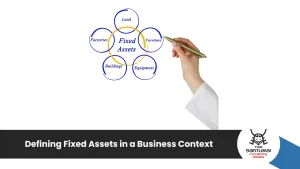
To truly grasp the concept, we must first clarify what is an asset and type of assets that exist in a modern enterprise. A fixed asset is a sub-category of non-current assets. Essentially, it is an item that a company expects to use for more than one year. These assets are recorded on the balance sheet and are subject to depreciation over time.
Furthermore, it is important to distinguish fixed assets from other resources when defining what is a company assets. While cash and inventory are “current” because they cycle through the business quickly, fixed assets provide “fixed” value over a long duration. Consequently, they are often referred to as “Property, Plant, and Equipment” (PP&E). These assets represent the physical infrastructure that allows a business to exist and compete in its market.
The Core Characteristics of Fixed Assets
Fixed assets are identified by several distinct features. By understanding these characteristics, managers can better implement physical asset, examples and how to manage them.
Long-Term Useful Life
The most defining trait is their lifespan. A fixed asset must provide economic benefits for more than one accounting period (usually 12 months). Because of this long-term nature, they are not expensed immediately. Instead, their cost is allocated over their useful life through depreciation.
Physical Substance
In most cases, fixed assets are tangible. You can touch a factory machine, a delivery truck, or a computer server. However, it is worth noting that some modern strategies also include long-term intangible items, though the term “fixed asset” traditionally refers to the physical.
Used in Production of Income
A fixed asset is not an investment held for speculation. Rather, it is used to produce goods or services. For example, a CNC machine used to manufacture engine parts is a fixed asset. In contrast, a piece of land held by a developer solely for resale is considered inventory.
Lack of Liquidity
Fixed assets are “illiquid.” This means they cannot be converted into cash quickly without significant loss of value. Consequently, they are strategic investments rather than tactical ones. This lack of liquidity is why the asset management process must be so precise; you cannot easily “undo” a poor fixed asset purchase.
Types of Fixed Assets in Various Industries

Fixed assets are not a “one-size-fits-all” category. They vary based on the industry and the specific needs of the organization. Generally, they are categorized into the following types.
Land and Buildings
This is the most stable form of fixed asset. Land is unique because it is the only fixed asset that does not depreciate. However, the buildings on that land do wear out over time. Therefore, they must be managed within a facility-focused physical assets framework.
Machinery and Equipment
In the manufacturing sector, machinery represents the bulk of fixed assets. These are often categorized as capital goods because they drive the production of other products. Because they have moving parts, they are the most prone to wear and tear.
Office Equipment and IT Infrastructure
Computers, servers, printers, and even office furniture fall into this category. While these have shorter lifespans than buildings, they are still fixed assets. As a result, they require frequent tracking to prevent them from becoming “ghost assets” in the accounting system.
Vehicles and Fleet
Delivery vans, trucks, and company cars are vital fixed assets for logistics-heavy businesses. Because they are mobile, they face unique risks, such as accidents or theft. Thus, their management plan must include robust insurance and real-time GPS tracking.
The Role of Fixed Assets in the Asset Lifecycle
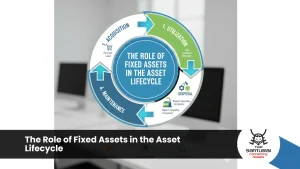
Every fixed asset follows a predictable path. This is known as the asset lifecycle. Managing each phase of this journey is critical for financial health.
Acquisition and Capitalization
The journey starts with procurement. When a fixed asset is bought, it is “capitalized” on the balance sheet. During this stage, businesses must ensure they are purchasing equipment that fits their long-term goals. In addition, they must establish the initial depreciation schedule based on the asset’s expected useful life.
Maintenance and Value Preservation
Once the asset is operational, the focus shifts to preservation. If maintenance is neglected, the asset will depreciate faster than expected. Furthermore, poor maintenance leads to asset downtime, meaning and how to calculate those losses. By keeping fixed assets in good condition, companies can ensure they reach their full theoretical lifespan.
Disposal and Asset Retirement
Eventually, every fixed asset reaches its end. Whether it is sold, scrapped, or traded in, the disposal must be recorded correctly. By doing so, the business can remove the asset from its books and adjust its tax obligations accordingly.
Challenges in Fixed Asset Management

Despite their importance, fixed assets present several management hurdles. Organizations must address these challenges to maintain an accurate ledger.
Accurate Depreciation Tracking
Calculating depreciation is complex. Whether you use the straight-line method or an accelerated method, errors can lead to “overstated” or “understated” profits. Consequently, many firms use software to automate these calculations and ensure compliance with GAAP or IFRS.
Preventing Ghost Assets
A “ghost asset” is a fixed asset that is still on the ledger but is physically missing or broken. This often happens in large organizations with multiple sites. Because ghost assets lead to overpaying on insurance and taxes, regular audits are a vital part of the asset management process.
High Maintenance Costs
As fixed assets age, they become more expensive to keep. At some point, the cost of repair exceeds the value of the asset. Therefore, managers must use data to decide when a fixed asset should be retired and replaced with a newer model.
Optimizing Fixed Assets with Technology
The days of tracking fixed assets on paper are long gone. In fact, modern competition requires digital precision.
Real-time Visibility and Tagging
By using QR codes or RFID tags, companies can track the location and status of every fixed asset. This is essential for maintaining a clear asset management hierarchy. As a result, managers can see at a glance which department is responsible for which machine.
Streamlined Auditing
Audits are a legal requirement for fixed assets. By utilizing software, the audit process can be shortened from weeks to days. This level of efficiency ensures that the company is always audit-ready and compliant with national regulations.
Fixed Asset Valuation and Financial Reporting
Beyond the physical management of these items, a business must also focus on how they are valued in official documents. Essentially, the valuation of fixed assets affects the company’s net worth and its attractiveness to investors.
Historical Cost vs. Fair Market Value
Initially, fixed assets are recorded at their “historical cost.” This includes the purchase price plus any costs needed to get the asset ready for use, such as shipping and installation. However, over time, the “fair market value” of an asset may change. Consequently, some accounting frameworks allow for revaluation to reflect the asset’s current worth. This process is vital for maintaining an accurate asset management process that reflects real-world economic conditions.
Impairment of Fixed Assets
Sometimes, the value of a fixed asset drops suddenly due to damage or a shift in the market. This is known as “impairment.” When an asset’s market value falls below its book value, the company must record an impairment loss. By doing so, they ensure that the balance sheet is not “overstated.” This level of financial honesty is a key part of asset management, as it protects the organization from future financial shocks.
Risk Management and Insurance for Fixed Assets

Because fixed assets represent such a massive capital investment, they must be protected against unforeseen events. Without proper risk management, a single accident could bankrupt a small to medium enterprise.
Physical Security and Protection
For high-value physical assets and how to manage them includes securing them against theft and vandalism. This might involve fencing, surveillance, or restricted access protocols. Furthermore, for mobile fixed assets like a delivery fleet, GPS tracking is not just a luxury—it is a necessity to mitigate the risk of loss.
FAQ
What is the main difference between a fixed asset and a current asset?
A fixed asset is intended for long-term use (more than a year), while a current asset (like cash or inventory) is expected to be used or sold within one year.
Why is depreciation important for fixed assets?
Depreciation allows a business to spread the cost of a fixed asset over its useful life. Consequently, it provides a more accurate picture of the company’s profitability and tax obligations.
Can a fixed asset be intangible?
Traditionally, fixed assets refer to “Property, Plant, and Equipment” (tangible). However, some accounting standards allow long-term intangible assets (like patents) to be treated similarly in terms of amortization.
How does the “Asset Management Hierarchy” help with fixed assets?
The hierarchy organizes fixed assets into logical groups (e.g., Plant → Production Line → Machine). This allows for more detailed maintenance tracking and financial reporting.
How does a fixed asset become a ghost asset?
If a fixed asset is discarded, stolen, or sold but not removed from the accounting records, it becomes a ghost asset. This leads to inaccurate financial statements and unnecessary tax payments.
Conclusion
To conclude, fixed assets are the physical foundation of any successful organization. However, their value is only as good as the strategy used to manage them. From the initial definition of what is a company assets to the final stage of the asset lifecycle, every phase requires careful oversight.
By understanding the characteristics and types of fixed assets, businesses can better allocate their capital. Ultimately, well-managed fixed assets lead to higher productivity, fewer financial errors, and a more stable bottom line. In the end, your fixed assets should be a source of strength, not a source of hidden costs.
Track Your Fixed Assets with Precision
Managing high-value property and equipment requires a robust system. TAG Samurai Inventory Management offers specialized tools for fixed asset tracking and maintenance. Whether you are managing capital goods or complex physical assets, our platform helps you eliminate ghost assets and optimize your ROI.


- First in First Out: Why This Queuing Matters - 04/05/2023
- The Importance of Safety Stock for Inventory Systems - 02/05/2023
- how should stock be stored for Maximum Efficiency - 01/05/2023

