
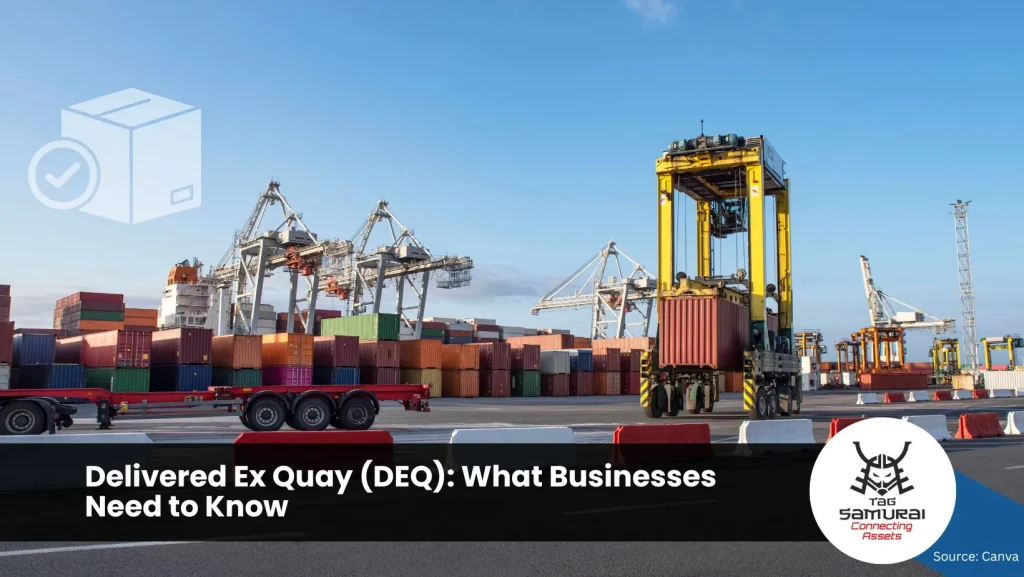
Delivered Ex Quay (DEQ) is an international commercial term that requires the seller to place goods at the disposal of the buyer on the quay or wharf at the named port of destination. Under this term, the seller handles all transportation costs and risks until the goods reach the quay, after which the buyer manages unloading, customs clearance, and onward movement. This structure supports clear allocation of duties in maritime trade, addressing common challenges in determining when ownership and liability transfer during ocean shipments.
The relevance of Delivered Ex Quay (DEQ) extends to various business operations involving bulk or containerized cargo imports, where precise knowledge of delivery points impacts budgeting for port fees and coordination with terminal operators. Key aspects covered include the detailed obligations of sellers and buyers, integration with insurance and documentation processes, distinctions from similar terms such as DES, and considerations for regulatory compliance in different jurisdictions to ensure smooth execution of trade contracts.
Overview of Delivered Ex Quay (DEQ) and Its Key Components
1. Seller Responsibilities
Under DEQ, the seller handles export packaging, inland transport, ocean freight, and delivery to the quay. They must provide necessary documents like bills of lading. The seller bears costs and risks until goods are placed on the quay, ready for unloading by the buyer.
2. Buyer Obligations
The buyer manages unloading from the vessel, import duties, customs procedures, and further transportation. They take ownership of risks once goods reach the quay. Proper coordination with port authorities ensures smooth handover without delays.
3. Risk and Cost Allocation
Risk transfers at the quay upon delivery. Sellers cover all pre-arrival expenses, while buyers handle post-delivery charges. This allocation reduces disputes when parties agree on precise port naming and documentation standards.
4. Documentation Requirements
Essential documents include commercial invoices, packing lists, certificates of origin, and transport contracts. Accurate records support compliance with trade regulations and facilitate claims if damage occurs during seller-controlled segments.
5. Practical Considerations
Businesses using DEQ should verify port capabilities for quay access. Insurance coverage needs alignment with the term. Contract clauses must specify exact quay locations to avoid ambiguity in large ports.
Legal Responsibilities Under Delivered Ex Quay (DEQ) Terms
Delivered Ex Quay (DEQ) defines how the seller and buyer divide delivery costs, risks, customs responsibilities, and obligations in an international sale of goods. Under Incoterms® 2000, the seller was responsible for transporting and unloading the goods onto the quay at the named destination port, while the buyer assumed responsibility for import clearance, duties, taxes, and subsequent delivery.
1. Seller’s Responsibilities Under DEQ
The seller must provide goods that conform to the sales contract, complete export formalities, arrange carriage to the named destination port, and bear the costs and risks involved until the goods are placed at the buyer’s disposal on the quay. The seller is also responsible for unloading the goods from the arriving vessel onto the designated quay and providing the documents needed for the buyer to take delivery.
Insurance is not automatically a seller obligation under DEQ. Therefore, the sales contract should clearly establish whether either party must obtain cargo insurance and specify the required coverage, duration, and geographical scope. Incoterms rules allocate defined delivery responsibilities but do not replace the other terms of the underlying sales contract.
2. Buyer’s Responsibilities Under DEQ
The buyer takes delivery when the goods are made available on the quay and assumes the risk of loss or damage from that point. Buyer is responsible for import customs clearance and, under Incoterms 2000 DEQ, payment of applicable import duties, taxes, and other import charges. The buyer also bears subsequent costs associated with moving the goods from the quay to the final destination.
3. DEQ Is a Historical Incoterms Rule
DEQ should not be treated as a current Incoterms® rule. The International Chamber of Commerce removed DEQ when Incoterms® 2010 replaced DEQ, DES, DAF, and DDU with DAT and DAP. Existing contracts may still incorporate an earlier Incoterms version if the parties clearly specify that version, so the contract should identify the applicable edition rather than simply stating “DEQ.”
Troubleshooting and Resolving Disputes in DEQ Deliveries
Disputes in DEQ deliveries commonly stem from damage occurring after the goods reach the quay, incomplete transfer of risk documentation, or disagreements over unloading expenses. Effective resolution requires immediate inspection, thorough review of shipping records, and reference to the specific Incoterm obligations to determine liability accurately.
1. Identifying Frequent Causes of Conflict
Damage claims often occur when goods suffer harm during quay handling before buyer takes possession. Sellers may dispute responsibility if unloading equipment fails or if port conditions contribute to loss. Buyers frequently question whether all required notices were provided under the contract terms.
Another source involves mismatched quantities or quality upon arrival. These issues surface when inspection reveals discrepancies not covered by the bill of lading or certificate of origin.
2. Step-by-Step Resolution Process
Begin with a joint inspection at the quay involving both parties or their representatives. Document all visible issues with photographs and written reports signed by witnesses. Next, cross-reference the findings against the sales contract and Incoterm specifications to assign responsibility.
If agreement is not reached, exchange formal notices citing relevant contract clauses. Mediation through a neutral third party familiar with international trade practices often resolves matters without litigation. Arbitration clauses in the original agreement provide a structured path for final settlement.
3. Preventive Measures and Record Keeping
Maintain detailed logs of all communications, including delivery notifications and acceptance confirmations. Retain copies of insurance policies that cover the quay period. Regular training on DEQ obligations helps teams anticipate potential friction points before they escalate into formal disputes.
Establish clear protocols for third-party surveys when high-value shipments are involved. These steps reduce ambiguity and support smoother claim handling if issues arise.
How Delivered Ex Quay Affects Importer and Exporter Costs
Delivered Ex Quay (DEQ) can significantly influence how international trade costs are divided between the exporter and importer. Under the traditional DEQ Incoterm, the seller is responsible for delivering the goods to the named destination quay and making them available after unloading, while the buyer typically handles import clearance and related duties. The resulting cost allocation affects pricing, logistics planning, customs budgeting, and overall landed cost.
1. Costs Typically Absorbed by the Exporter
The exporter carries substantial logistics costs under DEQ because responsibility extends beyond the main international carriage. Depending on the agreed transaction, these costs can include export packaging, inland transportation to the port, export clearance, loading, ocean freight, and unloading at the destination quay.
Because these expenses are incorporated into the seller’s pricing, exporters need accurate freight quotations and destination handling estimates before setting a DEQ selling price. Unexpected port charges or changes in freight rates can reduce the transaction margin if they are not properly accounted for.
2. Importer Costs and Landed Cost Considerations
The importer generally becomes responsible for import clearance, customs duties, import taxes, and transportation from the quay to the final destination. These expenses can substantially increase the total landed cost even when the negotiated purchase price already includes delivery to the destination port.
For accurate budgeting, importers should evaluate the DEQ purchase price together with customs valuation, applicable duties and taxes, port-related charges, inland delivery, insurance requirements, and any local handling expenses. This provides a more realistic comparison between suppliers using different delivery terms.
3. Impact on Pricing and Cost Risk
DEQ shifts more transportation cost and operational responsibility toward the exporter than many origin-based delivery arrangements. This can simplify logistics for an importer because the seller manages transportation up to the destination quay. However, the importer still needs to prepare for costs and procedures that begin at or after the quay, particularly customs clearance and final delivery.
It is also important to note that DEQ is a legacy Incoterm. The term was removed from Incoterms® 2010 and replaced by alternatives such as Delivered at Terminal (DAT), which was subsequently replaced by Delivered at Place Unloaded (DPU) in Incoterms® 2020. Therefore, current contracts should specify the applicable Incoterms® edition and delivery term to avoid ambiguity over cost and responsibility.
Step-by-Step Process for Shipping Goods Under DEQ Terms
Shipping goods under Delivered Ex Quay (DEQ) requires the seller to coordinate international transport and deliver the goods to a named destination port quay, with the seller bearing responsibility for unloading the goods at the quay. Because DEQ is an Incoterms® 2000 rule and was removed from the Incoterms® 2010 rules, businesses should confirm which contractual version applies before using the term. The delivery point and allocation of costs, risks, customs responsibilities, and import formalities should be stated clearly in the sales contract.
1. Agree on the DEQ Delivery Point
The process begins by specifying the destination quay where delivery will take place. The sales contract should identify the port and, where appropriate, the particular terminal or quay. A precise destination reduces disputes over transportation charges, unloading responsibilities, and the point at which the buyer assumes the risk.
2. Prepare the Goods and Export Documentation
The seller prepares the goods for shipment and completes the documentation required for export. Depending on the transaction, this may include the commercial invoice, packing list, transport documents, certificates of origin, and other documents required by the exporting country. Packaging and labeling should also comply with applicable transport and destination requirements.
3. Arrange International Transportation
The seller contracts the carrier and arranges transportation to the named destination port. Freight planning should account for cargo characteristics, shipping schedules, transit times, port procedures, and applicable charges. Under the historical DEQ rule, the seller was responsible for bringing the goods to the specified quay and making them available to the buyer after unloading.
4. Complete Export and Transit Formalities
The seller handles the export clearance and other formalities required on the seller’s side. The parties should separately confirm who is responsible for import clearance, duties, taxes, permits, and other destination-country requirements, particularly because DEQ was replaced by different delivery structures under later Incoterms® editions.
5. Deliver and Unload the Goods at the Quay
Upon arrival at the named destination port, the seller arranges delivery to the agreed quay and unloading in accordance with the applicable contract. The buyer then takes responsibility for the goods according to the agreed delivery terms and handles the subsequent movement, import procedures, and related costs assigned under the contract.
6. Verify Documents, Costs, and Risk Transfer
Before closing the shipment, both parties should reconcile transport documents, delivery records, port charges, and other agreed costs. Since DEQ is no longer an Incoterms® 2020 rule, businesses should avoid using it ambiguously and consider whether a current Incoterms® rule, such as Delivered at Place Unloaded (DPU), better reflects the intended delivery arrangement.
Best Practices to Optimize Logistics with DEQ Shipping Terms
Optimizing logistics under DEQ terms requires precise coordination of delivery to the quay, clear allocation of unloading responsibilities, and proactive management of import procedures. Businesses achieve efficiency by selecting suitable ports, aligning carrier schedules, and maintaining detailed documentation to minimize delays and disputes.
1. Assess Quay Infrastructure and Port Capabilities
Verify that the destination port provides adequate quay space, handling equipment, and access for the vessel type involved. Inadequate facilities can lead to demurrage charges or cargo damage during transfer. Coordinate with port authorities in advance to confirm availability and operational hours.
2. Clarify Unloading and Risk Transfer Points
DEQ places unloading obligations on the buyer once goods reach the quay. Establish written agreements on equipment use, labor arrangements, and timelines for discharge. This reduces liability gaps and prevents cost overruns from extended vessel stays.
3. Streamline Documentation and Customs Processes
Prepare import licenses, commercial invoices, and certificates of origin well before arrival. Align these with the named port requirements to accelerate clearance. Early submission to customs brokers cuts processing time and avoids storage fees at the quay.
4. Monitor Carrier Performance and Schedule Reliability
Track vessel ETAs and historical punctuality data for chosen carriers. Reliable schedules allow better planning of quay resources and onward transport. Include contingency clauses in contracts for weather or congestion delays common at busy terminals.
5. Integrate Cost Control and Insurance Measures
Calculate total landed costs including unloading, local transport, and potential storage. Secure marine insurance that covers the period up to quay delivery. Regular audits of these expenses reveal opportunities to renegotiate terms with suppliers or forwarders.
Risks and Challenges When Using Delivered Ex Quay (DEQ)
Delivered Ex Quay (DEQ) places substantial delivery responsibility on the seller because the goods must be delivered to a designated quay at the destination port. The main challenges involve customs clearance, import formalities, port handling, unloading arrangements, storage exposure, and unclear responsibility for costs or delays. Businesses should define the destination port, customs obligations, documentation, and transfer of risk precisely before using DEQ in an international sales contract.
1. Customs Clearance and Import Compliance
One of the key risks with DEQ is misunderstanding who handles import clearance and related obligations. Import procedures may involve customs declarations, duties, taxes, permits, inspections, and regulatory requirements. The parties should establish responsibility for each formal requirement in the sales contract and verify applicable regulations in the destination country before shipment.
2. Port Handling and Unloading Risks
DEQ involves delivery at the quay, making port operations an important consideration. Congestion, limited unloading capacity, equipment availability, labor disruption, or changes in port procedures can affect delivery schedules and generate additional charges. Contracts should clearly identify the agreed delivery point and specify how unexpected port-related costs will be allocated.
3. Storage and Demurrage Costs
Delays in customs clearance, documentation, inspection, or collection can cause goods to remain at the port longer than planned. Depending on the applicable port arrangements, storage, demurrage, handling, or related charges may accumulate. Importers should prepare documentation and clearance procedures in advance to minimize avoidable delays.
4. Documentation and Contract Ambiguity
Incomplete shipping documents or inconsistent contract terms can create disputes over delivery obligations and costs. The agreement should specify the named port, required transport documents, customs responsibilities, applicable charges, and the point at which risk transfers. Clear documentation is particularly important when several logistics providers or customs representatives are involved.
5. Incoterms® Version and Applicability
DEQ is a legacy Incoterms® rule and is not included in the current Incoterms® 2020 rules. Businesses considering DEQ should therefore avoid treating it as a current standard rule without clarification. If the term is used contractually, the parties should explicitly state the intended meaning and applicable Incoterms® edition or replace it with a suitable current rule based on the actual delivery arrangement.
Common Metrics to Track Effectiveness of DEQ Shipments
Key metrics for assessing DEQ shipment effectiveness focus on timeliness, cost control, and compliance at the destination quay. These indicators help businesses evaluate seller performance and identify operational bottlenecks in port delivery processes.
1. On-Time Quay Delivery Rate
This metric measures the percentage of shipments arriving at the named quay within agreed schedules. Delays often stem from vessel scheduling or port congestion. Tracking it reveals reliability in fulfilling DEQ obligations and supports better inventory planning.
2. Total Landed Cost per Unit
Calculate all expenses including ocean freight, unloading at quay, and any terminal handling charges divided by shipment volume. This provides insight into cost efficiency under DEQ terms where the seller covers costs until quay delivery.
3. Documentation Accuracy Score
Assess the completeness and correctness of shipping documents such as bills of lading and certificates of origin. Errors here can cause customs holds or demurrage fees at the quay, directly impacting DEQ transaction success.
4. Damage and Loss Incidence
Record the rate of goods damaged or lost during transfer to the quay. Under DEQ, risk transfers at this point, so monitoring helps allocate responsibility and refine handling procedures with carriers.
5. Customs Clearance Duration
Track average time from quay arrival to release by authorities. Prolonged clearance signals potential issues with declarations or inspections that affect overall supply chain velocity in DEQ arrangements.
Regular analysis of these metrics enables proactive adjustments to contracts and logistics partners. Businesses should establish benchmarks based on historical data and industry standards for continuous improvement.
TAG Samurai for DEQ Asset Tracking Efficiency

Managing fixed and supply assets becomes critical once goods reach the quay under DEQ terms. TAG Samurai provides structured visibility into asset locations, condition checks, and handover records at the exact moment risk transfers to the buyer.
Teams can log unloading details, import documentation, and onward transport assignments without manual spreadsheets. This supports accurate cost allocation and reduces disputes over damage or delays after quay delivery.
By maintaining clear asset histories aligned with Incoterm obligations, businesses improve compliance and streamline claims processes when issues arise at the destination port.
FAQ
1. What are the seller responsibilities under Delivered Ex Quay (DEQ)?
Under DEQ, the seller handles export packaging, inland transport, ocean freight, and delivery to the quay at the named destination port. They must provide documents like bills of lading and bear costs and risks until goods are placed on the quay ready for unloading. This suits scenarios where the seller manages ocean freight but transfers control upon arrival.
2. What are the buyer obligations in Delivered Ex Quay terms?
The buyer manages unloading from the vessel, import duties, customs procedures, and further transportation. They take ownership of risks once goods reach the quay and must coordinate with port authorities for smooth handover. Proper planning prevents delays in taking possession.
3. How does risk and cost allocation work under DEQ Incoterms?
Risk transfers at the quay upon delivery, with sellers covering all pre-arrival expenses. Buyers handle post-delivery charges like unloading and import clearance. Precise port naming in contracts reduces disputes over these allocations.
4. What documentation is required for DEQ shipments?
Essential documents include commercial invoices, packing lists, certificates of origin, and transport contracts such as bills of lading. Accurate records support compliance and help with claims for damage during seller-controlled segments.
5. How does DEQ compare to FOB Incoterms?
Under FOB, the seller loads goods at the origin port with risk passing on board, while DEQ extends seller obligations through the voyage to the destination quay. FOB places ocean freight costs on the buyer, whereas DEQ keeps them with the seller until arrival.
6. How does DEQ differ from CIF terms?
CIF includes ocean freight and insurance paid by the seller but transfers risk at origin loading. DEQ moves both cost and risk forward to the quay, though buyers in both cases handle unloading and import clearance.
7. What causes common disputes in DEQ deliveries?
Disputes often stem from damage after goods reach the quay, incomplete risk transfer documentation, or disagreements over unloading expenses. Mismatched quantities or quality upon arrival can also surface if inspections reveal issues not covered by shipping docs.
8. How does DEQ affect importer and exporter costs?
Sellers cover costs until quay placement, shifting unloading and import expenses to buyers. Exporters avoid discharge charges while importers budget for stevedoring and customs, influencing total landed cost calculations and payment timing.
9. What steps optimize logistics under DEQ terms?
Verify quay infrastructure and port capabilities in advance. Clarify unloading responsibilities, prepare import documents early, and monitor carrier schedules to minimize delays. Secure aligned insurance and track metrics like on-time delivery for efficiency.
10. What metrics assess DEQ shipment effectiveness?
Key indicators include on-time quay delivery rate, total landed cost per unit, documentation accuracy, damage incidence, and customs clearance duration. Regular analysis helps evaluate seller performance and identify bottlenecks in port processes.
Conclusions
Delivered Ex Quay (DEQ) provides a structured framework for international shipments by specifying the seller’s obligation to deliver goods to the quay at the destination port. Key insights include its impact on cost distribution, where importers assume responsibilities post-delivery, and the necessity of comparing it with terms like CIF or FOB to select the most suitable option for specific trade scenarios. Resolving disputes effectively requires attention to documentation and contractual clarity.
To maximize the value of Delivered Ex Quay (DEQ) shipments, organizations should implement best practices focused on supply chain coordination and monitor essential metrics including on-time delivery and damage rates. Such measures facilitate seamless logistics management and enhance overall trade efficiency without introducing unnecessary complexities.

- Delivered Ex Quay (DEQ): What Businesses Need to Know - 10/09/2026
- RFID Applications: 7 Use Cases for Modern Businesses - 04/09/2026
- Asset Lifecycle Management: Improve Efficiency and ROI - 29/08/2026

