
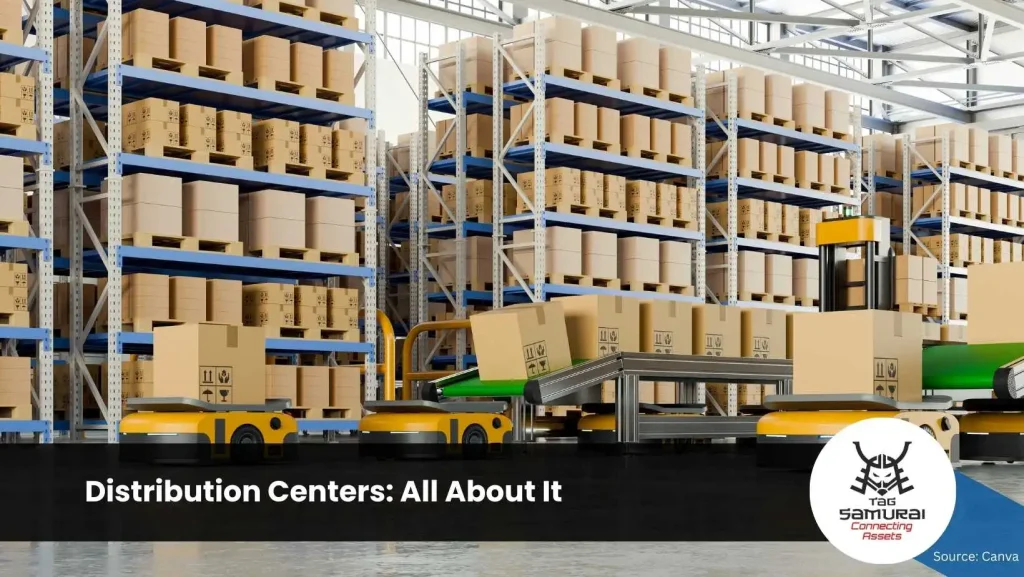
Distribution centers serve as critical nodes in the global supply chain, where goods are received, sorted, stored, and dispatched to retailers, wholesalers, and end consumers. These facilities optimize inventory management and streamline logistics operations, enabling efficient fulfillment in e-commerce and traditional retail sectors. By leveraging advanced technologies like automation and real-time tracking, distribution centers reduce costs and enhance delivery speeds.
Understanding the role of distribution centers is essential for businesses aiming to scale operations and meet rising customer demands for faster shipping. From urban micro-fulfillment hubs to massive regional warehouses, these logistics powerhouses adapt to diverse industry needs. This article delves into everything about distribution centers, exploring their functions, benefits, and future trends.
What Is a Distribution Center?
A distribution center serves as a critical hub in supply chain management, facilitating the efficient movement of goods from manufacturers to retailers or end consumers. Unlike traditional warehouses focused on long-term storage, distribution centers emphasize rapid throughput and order fulfillment.
These facilities receive bulk shipments, break them down into smaller units, and dispatch them promptly. Key operations include inventory management, picking, packing, and shipping, often supported by advanced technologies like automated guided vehicles and warehouse management systems.
1. Core Functions of Distribution Centers
Distribution centers optimize logistics by consolidating products for efficient distribution. They handle inbound logistics, such as unloading trucks and verifying shipments, and outbound processes, including sorting orders for timely delivery.
- Cross-docking: Minimizing storage time by directly transferring goods from incoming to outgoing vehicles.
- Order consolidation: Combining items from multiple suppliers into single shipments.
- Returns processing: Managing reverse logistics for customer returns.
2. Types of Distribution Centers
Various configurations exist based on business needs. Regional distribution centers cover specific geographic areas, while national hubs manage broader networks. Specialized centers focus on perishable goods or e-commerce fulfillment.
- Urban micro-fulfillment centers: Located near cities for same-day delivery.
- Automated facilities: Using robotics for high-volume operations.
- Cold chain centers: Maintaining temperature control for food and pharmaceuticals.
3. Benefits and Best Practices
Implementing distribution centers reduces transportation costs and improves delivery speeds. Best practices include adopting lean inventory strategies, integrating real-time tracking software, and ensuring compliance with safety regulations like OSHA standards.
- Scalability: Adapting to demand fluctuations.
- Sustainability: Incorporating energy-efficient designs and eco-friendly packaging.
- Technology integration: Leveraging AI for predictive analytics in stock management.
In summary, distribution centers are indispensable for modern logistics, enhancing supply chain efficiency and customer satisfaction through streamlined operations.
Distribution Centers vs. Traditional Warehouses
1. Key Definitions and Purposes
Distribution centers (DCs) focus on efficient product movement, serving as hubs for order fulfillment and rapid shipping to retailers or end-users. They optimize outbound logistics, integrating advanced technologies like automation and real-time tracking. In contrast, traditional warehouses prioritize long-term storage, housing inventory in bulk for seasonal or extended periods with minimal emphasis on quick turnover.
This distinction arises from supply chain evolution, where DCs support just-in-time inventory models, reducing holding costs. Warehouses, however, suit industries needing stable stockpiling, such as manufacturing raw materials.
2. Operational Differences
DCs operate with high-velocity processes, featuring cross-docking to minimize storage time—goods arrive and depart within hours. They employ warehouse management systems (WMS) for seamless picking, packing, and shipping, enhancing e-commerce fulfillment.
- Automated sorting systems speed up order processing.
- Value-added services like labeling or kitting occur on-site.
- Focus on last-mile delivery integration.
Traditional warehouses emphasize secure, organized storage using racking systems and inventory audits. Operations are slower, with manual or semi-automated handling suited for bulk goods. They excel in cost-effective space utilization but lag in responsiveness to demand fluctuations.
3. Technology and Efficiency
Modern DCs leverage AI-driven forecasting, robotics, and IoT sensors for inventory visibility and error reduction. This setup supports omnichannel retail, ensuring timely distribution across regions.
Traditional setups rely on basic ERP systems, with efficiency gains from layout optimization rather than tech. While DCs cut lead times by 20-30%, warehouses maintain lower upfront costs for static storage needs.
4. Strategic Advantages and Best Practices
- DCs: Ideal for fast-moving consumer goods (FMCG) and online retail; locate near transport hubs.
- Warehouses: Best for durable goods; prioritize climate control and security.
- Hybrid models blend both for scalable supply chains.
Choosing between them depends on business goals—DCs for agility in dynamic markets, warehouses for economical bulk management. Effective implementation follows frameworks like lean logistics to balance costs and speed.
Cutting-Edge Technologies in Distribution Centers
Distribution centers rely on innovative technologies to streamline operations, enhance efficiency, and meet rising e-commerce demands. These advancements integrate automation, data analytics, and connectivity to optimize inventory management, order fulfillment, and logistics coordination.
1. Robotic Automation Systems
Robotic systems, such as autonomous mobile robots (AMRs), navigate warehouses to transport goods without human intervention. They reduce picking errors and speed up processes, integrating with warehouse management systems (WMS) for real-time task allocation. In high-volume settings, collaborative robots (cobots) work alongside staff, boosting productivity by up to 30% according to industry benchmarks.
2. Artificial Intelligence and Machine Learning
AI algorithms predict demand patterns and optimize routing in distribution centers. Machine learning enhances inventory forecasting, minimizing stockouts and overstock. For instance, AI-powered vision systems inspect packages for quality, ensuring compliance with supply chain standards. These tools enable proactive decision-making, reducing operational costs.
3. Internet of Things (IoT) for Real-Time Tracking
IoT sensors embedded in shelves and pallets provide live data on stock levels and environmental conditions. RFID tags and smart labels facilitate seamless tracking from receipt to dispatch. This connectivity supports predictive maintenance for equipment, cutting downtime. Learn more about warehouse automation integration at Warehouse Automation: Benefits, Challenges, Types & More.
4. Drones and Augmented Reality
Drones conduct inventory audits in large facilities, scanning barcodes from above to accelerate cycle counts. Augmented reality (AR) glasses guide workers to items via overlaid directions, improving accuracy in picking. These technologies address labor shortages while enhancing safety protocols in dynamic distribution environments.
Adopting these cutting-edge solutions transforms distribution centers into agile hubs, aligning with global supply chain evolution. Best practices emphasize scalable implementation and staff training for maximum ROI.
Primary Functions and Responsibilities
1. Inventory Management
Distribution centers serve as central hubs in supply chain logistics, primarily responsible for managing inventory levels to ensure product availability. This involves receiving goods from suppliers, verifying shipments, and storing items efficiently using systems like warehouse management software (WMS). Accurate inventory tracking prevents stockouts and overstocking, optimizing capital flow in distribution networks.
Best practices include implementing RFID technology for real-time visibility and conducting regular cycle counts to maintain data integrity. These processes support seamless order fulfillment in e-commerce and retail distribution.
2. Order Processing and Fulfillment
A core responsibility is handling customer orders from receipt to shipment. Distribution centers pick, pack, and ship products using automated systems or manual labor, ensuring accuracy and speed. This function integrates with enterprise resource planning (ERP) tools for efficient processing.
- Prioritize FIFO (First In, First Out) for perishable goods to minimize waste.
- Use conveyor systems and robotics to enhance throughput in high-volume operations.
Effective order fulfillment reduces delivery times, boosting customer satisfaction in global supply chains.
3. Transportation Coordination
Distribution centers coordinate inbound and outbound transportation, selecting carriers and optimizing routes via transportation management systems (TMS). Responsibilities include consolidating shipments to lower costs and ensuring compliance with regulations like hazardous materials handling.
This role minimizes logistics expenses while maintaining service levels, crucial for just-in-time inventory models in manufacturing distribution.
4. Quality Control and Returns Management
Maintaining product quality through inspections and audits is essential. Distribution centers also manage reverse logistics, processing returns efficiently to recover value and analyze issues for process improvements.
- Conduct random sampling during receiving to detect defects early.
- Implement cross-docking for faster turnover in fast-moving consumer goods.
These functions ensure reliability, supporting sustainable practices in modern distribution center operations.
Step-by-Step Daily Operations
Daily operations in distribution centers follow a structured workflow to ensure efficient supply chain management. This step-by-step process optimizes inventory control, order processing, and timely deliveries. Key stages include receiving shipments, storage, picking, packing, and shipping, all integrated with warehouse management systems (WMS) for accuracy and speed.
1. Receiving Inbound Shipments
The day begins with inbound logistics, where trucks arrive at designated docks. Staff verify purchase orders against bills of lading and inspect goods for quality and quantity. Using barcode scanners or RFID technology, items are logged into the inventory system. Any discrepancies trigger immediate resolution to prevent stock inaccuracies.
Best practices involve cross-docking for high-velocity items, reducing handling time. This phase sets the foundation for reliable stock levels and supports just-in-time inventory strategies.
2. Storage and Inventory Management
Received goods move to designated storage zones based on SKU classification and turnover rates. Automated systems like conveyor belts or autonomous mobile robots (AMRs) facilitate placement in racking systems. Cycle counts occur regularly to maintain data integrity, aligning with ABC analysis for prioritization.
- High-demand products near picking areas
- Slow-movers in back storage
- Temperature-controlled zones for perishables
3. Order Picking and Packing
Once orders arrive via electronic data interchange (EDI), pickers retrieve items using optimized routes from WMS directives. Methods include batch picking for multiple orders or zone picking for specialization. Packing stations then secure items with protective materials, generating shipping labels and invoices.
Efficiency metrics like pick accuracy above 99% are standard, minimizing returns in e-commerce fulfillment.
4. Outbound Shipping and Distribution
Packed orders consolidate at shipping docks, sorted by carrier and destination. Final audits confirm completeness before loading onto trucks or vans. Real-time tracking updates integrate with customer portals, enhancing visibility in last-mile delivery.
End-of-day processes include reconciling shipments, updating metrics, and preparing for next-day inbound. This cyclical operation ensures seamless distribution center performance, adapting to seasonal demands through scalable staffing and technology.
Integrating into Supply Chain Strategies
Distribution centers serve as critical nodes in supply chain networks, facilitating efficient goods movement from manufacturers to end consumers. Integrating them into broader supply chain strategies enhances operational resilience, reduces costs, and improves delivery speeds. This integration involves aligning warehouse operations with procurement, production, and distribution processes to create a seamless flow.
1. Assessing Current Supply Chain Needs
Begin by evaluating existing logistics frameworks to identify gaps where distribution centers can add value. Analyze inventory turnover rates, transportation routes, and demand forecasting accuracy. This assessment ensures that new or existing facilities support strategic goals like just-in-time delivery and minimized stockouts.
- Map out supplier locations and customer bases to optimize center placements.
- Incorporate data analytics for real-time visibility into inventory levels.
- Align with sustainability targets by selecting energy-efficient warehouse designs.
2. Leveraging Technology for Seamless Integration
Adopt warehouse management systems (WMS) and enterprise resource planning (ERP) software to connect distribution centers with upstream and downstream activities. Automation tools, such as conveyor systems and robotics, streamline picking and packing processes. For deeper insights into supply chain management fundamentals, explore resources on effective logistics coordination.
- Implement IoT sensors for tracking assets across the chain.
- Use AI-driven predictive analytics to anticipate disruptions.
- Integrate APIs for real-time data sharing with partners.
3. Measuring Integration Success
Track key performance indicators (KPIs) like order fulfillment time, on-time delivery rates, and overall supply chain costs. Regular audits help refine strategies, ensuring distribution centers contribute to long-term efficiency. Frameworks such as SCOR (Supply Chain Operations Reference) provide standardized benchmarks for evaluation.
Successful integration transforms distribution centers from mere storage points into dynamic hubs that drive competitive advantage in global markets.
See: Freight Forwarding: Principles and How Does it Works?
Leveraging 3PL Services (Third-Party Logistics)
Third-party logistics (3PL) providers play a crucial role in modern supply chain management, particularly within distribution centers. These services encompass outsourcing logistics activities such as transportation, warehousing, and inventory management to specialized firms. By leveraging 3PL, businesses enhance operational efficiency in distribution hubs, reducing costs and improving delivery speeds.
1. Core Components of 3PL in Distribution Centers
Distribution centers serve as pivotal nodes for order fulfillment and inventory storage. 3PL providers integrate seamlessly by offering scalable warehousing solutions. They manage inbound and outbound logistics, ensuring goods flow smoothly from suppliers to end customers. This includes picking, packing, and shipping operations optimized for high-volume environments.
Key elements include advanced inventory tracking using RFID and WMS (warehouse management systems). These technologies minimize errors and support just-in-time inventory practices, vital for e-commerce fulfillment centers.
2. Benefits of Outsourcing to 3PL Providers
Advantages in leveraging third-party logistics for distribution:
- Cost Savings: 3PL reduces capital expenditure on facilities and equipment, allowing focus on core business activities.
- Scalability: Easily adjust capacity during peak seasons without long-term commitments.
- Expertise: Access specialized knowledge in global shipping and customs compliance.
- Improved Customer Service: Faster, reliable deliveries enhance satisfaction and retention.
In distribution center contexts, 3PL mitigates risks like supply chain disruptions through diversified networks. Businesses report up to 20% efficiency gains, per industry benchmarks from logistics associations.
3. Best Practices for Implementing 3PL
Select 3PL partners with proven track records in your industry sector. Conduct thorough audits of their distribution capabilities, including technology integration and sustainability practices. Establish clear KPIs for performance, such as on-time delivery rates above 98%.
Implementation steps:
- Assess current logistics needs and gaps.
- Negotiate contracts with flexible terms.
- Integrate systems for real-time visibility.
- Monitor and optimize continuously.
For deeper insights into 3PL fundamentals, explore resources on third-party logistics applications in supply chains.
Also Read: What is 3PL (Third-Party Logistics)
Optimization Tips for Peak Efficiency
1. Streamline Inventory Tracking Systems
Effective inventory management forms the backbone of distribution center operations. Implementing real-time tracking software ensures accurate stock levels, reducing discrepancies and overstocking. This approach minimizes picking errors and speeds up order fulfillment processes. By integrating RFID or barcode systems, teams can locate items swiftly, boosting overall throughput in high-volume environments.
Adopt automated replenishment protocols to maintain optimal stock without manual intervention. These systems analyze demand patterns, forecasting needs to prevent stockouts during peak seasons. Such practices align with lean inventory principles, cutting carrying costs while enhancing service levels.
2. Optimize Layout and Workflow Design
A well-designed facility layout reduces travel time for workers and equipment. Zone storage based on item velocity—frequently picked goods near packing areas—to minimize handling steps. Use slotting optimization tools to dynamically adjust placements as product mixes evolve.
Incorporate ergonomic principles in workstation setups to improve worker efficiency and safety. Clear signage and logical flow paths prevent bottlenecks, ensuring smooth movement from receiving to shipping docks. Regular audits help refine these designs for sustained performance.
3. Leverage Automation and Technology Integration
Automated guided vehicles (AGVs) and conveyor systems handle repetitive tasks, freeing staff for value-added activities. Integrating warehouse management systems (WMS) with enterprise resource planning (ERP) software provides end-to-end visibility, streamlining coordination across supply chain nodes.
Data analytics from IoT sensors can predict maintenance needs, reducing downtime. For further insights on enhancing warehouse operations, explore resources like those at 7 Tips To Improve Warehouse Efficiency
4. Enhance Workforce Training and Processes
Ongoing training programs equip staff with skills for efficient picking, packing, and quality checks. Standard operating procedures (SOPs) standardize tasks, reducing variability and errors. Performance metrics guide continuous improvement, fostering a culture of peak productivity.
Incentivize teams through cross-training, enabling flexibility during demand surges. This holistic approach ensures distribution centers operate at maximum efficiency, meeting customer expectations reliably.
Optimize Distribution Assets with TAG Samurai Solutions

In the fast-paced environment of distribution centers, effective management of fixed and supply assets is essential for maintaining operational efficiency and reducing costs. TAG Samurai provides specialized tools for tracking and optimizing assets like equipment, vehicles, and inventory systems. By integrating with warehouse management systems (WMS), it ensures real-time visibility, preventive maintenance scheduling, and compliance with safety standards such as OSHA.
Key benefits include:
- Accurate asset tracking to minimize losses and downtime
- Seamless integration with RFID and IoT for enhanced inventory control
- Data-driven insights to support lean logistics and just-in-time practices
- Scalable solutions for regional or national distribution networks
This approach helps distribution centers achieve higher throughput and reliability. To explore how TAG Samurai can tailor asset management to your supply chain needs, schedule a free consultation today.
FAQ
1. What is a distribution center?
A distribution center is a key facility in supply chain management that focuses on the quick movement of goods from manufacturers to retailers or consumers, rather than long-term storage.
It handles tasks like receiving bulk shipments, breaking them into smaller orders, and shipping them out rapidly, often using technologies such as warehouse management systems and automated vehicles.
This setup supports efficient order fulfillment and helps reduce logistics costs.
2. What’s the difference between a distribution center and a warehouse?
Distribution centers prioritize fast throughput and order processing, with goods often moving in and out within hours through methods like cross-docking, while warehouses focus on long-term storage of bulk inventory.
DCs integrate advanced tech like AI and robotics for quick fulfillment, suiting dynamic markets like e-commerce, whereas warehouses use simpler systems for stable stockpiling in industries like manufacturing.
The choice depends on needs: DCs for speed and agility, warehouses for cost-effective holding.
3. How do distribution centers work?
Distribution centers operate through a workflow starting with receiving inbound shipments, verifying and storing goods briefly, then picking and packing orders based on incoming requests.
They use warehouse management systems to optimize routes and track inventory in real-time, followed by coordinating outbound shipping to ensure timely deliveries.
This process minimizes storage time and supports just-in-time models, enhancing overall supply chain efficiency.
4. What are the main types of distribution centers?
Regional distribution centers serve specific geographic areas to handle local distribution needs, while national ones manage larger networks for broader coverage.
Specialized centers focus on items like perishable goods requiring temperature control or e-commerce fulfillment for high-volume online orders.
The type chosen aligns with business scale and product requirements, optimizing logistics flow.
5. What are the benefits of using distribution centers?
Distribution centers lower transportation costs by consolidating shipments and improve delivery speeds through efficient order processing.
They enhance customer satisfaction with faster fulfillment and reduce inventory holding costs via quick turnover strategies.
Overall, they boost supply chain resilience and support scalable operations in growing markets.
6. What technologies are used in distribution centers?
Modern distribution centers employ robotic systems like autonomous mobile robots for transporting goods and AI for demand forecasting and route optimization.
IoT sensors provide real-time inventory tracking, while augmented reality guides workers during picking to increase accuracy.
These tools reduce errors, cut downtime, and handle rising e-commerce demands effectively.
7. What role do distribution centers play in the supply chain?
Distribution centers act as central hubs that connect manufacturers, retailers, and consumers by managing inventory, order fulfillment, and transportation coordination.
They integrate with procurement and production processes to ensure seamless goods flow, minimizing delays and stockouts.
By leveraging technology, they drive efficiency and competitiveness in global supply chains.
8. What is third-party logistics (3PL) in distribution centers?
Third-party logistics providers handle outsourced tasks like warehousing, inventory management, and shipping in distribution centers, allowing businesses to focus on core operations.
They offer scalable solutions with advanced tracking and optimized logistics, often leading to 20% efficiency gains and reduced costs.
Choosing a reliable 3PL involves assessing their tech integration and performance metrics for seamless partnership.
9. How can you improve efficiency in distribution centers?
Streamline operations by optimizing facility layout for faster movement and implementing automation like AGVs to handle repetitive tasks.
Use real-time tracking systems and regular training to minimize errors and adapt to demand changes.
These practices, along with data analytics, ensure higher throughput and lower costs in daily workflows.
10. What are the daily operations in a distribution center?
Daily routines start with receiving and inspecting inbound shipments, followed by short-term storage and inventory updates using scanning tech.
Midday focuses on order picking, packing, and quality checks, then outbound shipping with route optimization for deliveries.
End-of-day involves reconciling records and preparing for the next cycle, all aimed at maintaining high accuracy and speed.
Conclusions
Distribution centers stand as essential components of modern supply chain management, enabling rapid goods movement from manufacturers to consumers while minimizing storage durations. By focusing on high-throughput operations like inbound receiving, order picking, packing, and outbound shipping, these facilities reduce transportation costs, enhance delivery speeds, and support just-in-time inventory models. Distinct from traditional warehouses, distribution centers integrate advanced systems to handle dynamic demands in e-commerce and retail, ensuring product availability and customer satisfaction through efficient logistics coordination.
Leveraging technologies such as AI for demand forecasting, robotics for automation, and IoT for real-time tracking transforms distribution centers into agile hubs. Best practices, including optimized layouts, workforce training, and third-party logistics partnerships, further boost operational efficiency and resilience against disruptions. Ultimately, strategic implementation of distribution centers drives competitive advantages, fostering sustainable practices and streamlined global supply chains that meet evolving market needs.
Read also: What is Supply Chain Management (SCM)?


