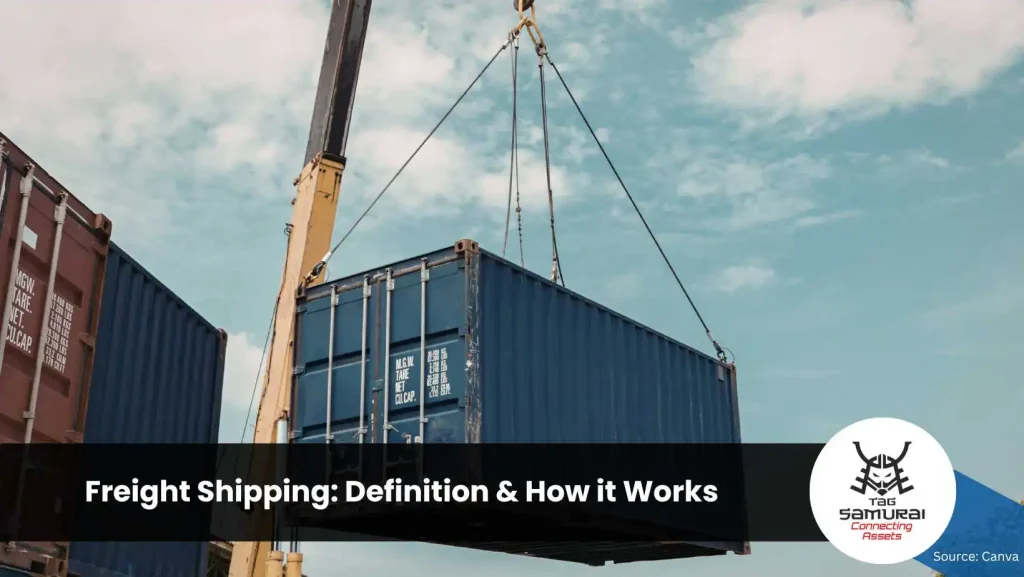
Freight shipping encompasses the transportation of large volumes of goods and cargo via multiple modes, including ocean vessels, trucks, trains, and aircraft. This critical component of global logistics facilitates international trade by ensuring efficient movement of commodities across borders and supply chains. Businesses rely on freight shipping to manage costs, reduce delivery times, and meet market demands effectively.
At its core, freight shipping involves processes like carrier selection, route planning, documentation, and compliance with customs regulations. Options range from cost-effective sea freight for bulk items to expedited air freight for high-value goods. Delve into the definition and operational mechanics of freight shipping to enhance your logistics strategy.
What Is Freight Shipping? A Basic Definition
1. Defining Freight Shipping
Freight shipping refers to the transportation of goods, cargo, or merchandise in bulk from one location to another, typically using commercial carriers. Unlike parcel services for small packages, it handles large volumes via modes such as ocean, air, rail, or truck. This process forms the backbone of global supply chains, enabling businesses to move products efficiently over short or long distances. Key terms include less-than-truckload (LTL) for partial loads and full-truckload (FTL) for dedicated shipments.
In essence, freight shipping optimizes logistics by consolidating shipments, reducing costs, and ensuring timely delivery. It encompasses everything from raw materials to finished goods, supporting industries like manufacturing, retail, and e-commerce.
2. The Freight Shipping Process Step by Step
Freight shipping begins with shipment preparation, where goods are packaged and labeled according to carrier requirements. Shippers then select a mode based on factors like distance, urgency, and cost—ocean freight for international bulk cargo, air for speed, rail for inland efficiency, and trucking for flexibility.
- Booking and Documentation: Arrange transport via freight forwarders or directly with carriers. Essential documents include the bill of lading, which acts as a receipt and contract of carriage.
- Pickup and Transit: Carriers collect cargo from origins, using containers or pallets for secure handling during journey.
- Customs and Delivery: For cross-border moves, clear customs with tariffs and inspections. Final delivery occurs at the destination, often with tracking for visibility.
Throughout, technology like GPS and software streamlines operations, minimizing delays. Compliance with international standards, such as Incoterms, ensures smooth transactions between buyers and sellers.
3. Key Benefits and Considerations
Freight shipping offers scalability for high-volume needs, cost savings through economies of scale, and reliability via established networks. However, challenges include fluctuating fuel prices, regulatory changes, and environmental impacts, prompting shifts toward sustainable practices like low-emission vessels.
Businesses benefit from partnering with experienced logistics providers to navigate complexities, ensuring efficient cargo transport that aligns with supply chain demands.
Read also: Delivery Lead Time: How to Calculate, Examples & More
Modes of Freight Transportation
Freight shipping refers to the transportation of goods and cargo using various modes to move commodities from origin to destination efficiently. It encompasses road, rail, sea, air, and pipeline systems, each suited to specific needs based on distance, volume, and urgency. Understanding these modes helps in selecting optimal logistics solutions for supply chain management.
1. Road Freight Transportation
Road freight involves trucks and lorries for short to medium distances, offering flexibility in routing and last-mile delivery. It dominates domestic shipping due to accessibility and speed. Full truckload (FTL) and less-than-truckload (LTL) are common methods, enabling cost-effective transport for diverse cargo types like perishables or machinery.
2. Rail Freight Transportation
Rail transport excels in bulk and heavy-haul shipments over long distances, providing economical options for commodities such as coal, grain, or intermodal containers. It reduces road congestion and emissions per ton-mile. Modern rail networks integrate with trucks for seamless door-to-door service in freight forwarding.
3. Sea Freight Transportation
Ocean shipping handles the largest volumes globally, ideal for international trade via container ships or bulk carriers. It offers low cost per unit for non-urgent goods, with methods like full container load (FCL) and less than container load (LCL). Ports and terminals facilitate efficient loading and customs clearance in global supply chains.
4. Air Freight Transportation
Air cargo suits high-value, time-sensitive items like electronics or pharmaceuticals, providing rapid transit across continents. Though costlier, it minimizes inventory holding costs and risks. Airports serve as hubs for express services, often combined with ground transport in multimodal freight strategies.
5. Pipeline Freight Transportation
Pipelines transport liquids and gases like oil or natural gas continuously over fixed routes, ensuring steady supply with minimal human intervention. This mode prioritizes safety and efficiency for energy sectors, complementing other freight methods in integrated logistics.
Choosing the right mode depends on factors like cost, transit time, cargo characteristics, and environmental impact. Multimodal approaches combine modes for optimized freight shipping operations.
Step-by-Step: How Freight Shipping Works
1. Understanding Freight Shipping Basics
Freight shipping involves transporting large volumes of goods using various modes like trucks, trains, ships, or planes. It differs from parcel services by handling bulk cargo, often in containers. Key types include less-than-truckload (LTL) for smaller shipments and full-truckload (FTL) for dedicated loads. This method supports global supply chains, ensuring efficient movement of raw materials, finished products, and everything in between.
In logistics, freight shipping relies on carriers, forwarders, and brokers to coordinate routes and compliance. It encompasses domestic and international operations, factoring in costs like fuel, tariffs, and insurance. Understanding these elements helps businesses optimize their supply chain strategies.
2. Step 1: Planning and Booking
The process begins with shipment planning. Shippers assess cargo details—weight, dimensions, value, and destination—to select the best mode: ocean freight for cost-effective bulk transport or air freight for urgency. Freight forwarders quote rates based on Incoterms like FOB or CIF, which define responsibilities.
- Contact carriers or use online platforms to book space.
- Prepare documentation: commercial invoices, bills of lading, and export declarations.
3. Step 2: Cargo Preparation and Pickup
Goods are packaged securely to withstand transit. Warehouses consolidate shipments for efficiency. Pickup involves trucking to ports or rail yards, where containers are loaded. For hazardous materials, special handling follows regulations like IMDG for sea freight.
4. Step 3: Transportation and Routing
Cargo moves via multimodal routes—road to port, then ocean crossing, followed by rail to destination. Tracking systems like GPS provide real-time visibility. Delays from weather or congestion are mitigated through route optimization software.
5. Step 4: Customs Clearance and Delivery
At borders, customs brokers handle duties and inspections. Once cleared, final legs involve trucking to consignees. Delivery confirmation ensures chain of custody, with options for just-in-time inventory.
Efficient freight shipping reduces costs and emissions when routes are planned sustainably. Businesses benefit from scalable solutions tailored to e-commerce growth or manufacturing needs.
Also Read: Distribution Centers: All About It
Intermodal Freight: Seamless Transfers
Intermodal freight involves transporting goods using multiple modes of transportation without handling the cargo itself. Containers or trailers move seamlessly between ships, trains, and trucks, optimizing efficiency in freight shipping. This approach reduces costs and environmental impact compared to single-mode transport.
1. Core Components of Intermodal Freight
Key elements include standardized containers, such as ISO 20-foot or 40-foot units, designed for stacking and secure transfers. Terminals equipped with cranes and handling systems facilitate quick interchanges. Digital tracking via GPS and IoT ensures real-time visibility throughout the supply chain.
2. How Seamless Transfers Operate
The process begins with loading cargo into containers at origin. Ships carry them to ports, where cranes lift containers onto rail flatcars for inland movement. At rail terminals, trucks or another train mode take over, delivering to destinations. Each transfer minimizes downtime through coordinated scheduling and automation.
- Chassis alignment for quick truck hookups
- Automated guided vehicles in modern yards
- Compliance with international standards like CSC for container safety
3. Advantages in Freight Shipping
Seamless transfers enhance reliability by avoiding cargo damage risks. They support long-haul efficiency, lowering fuel use per ton-mile. Businesses benefit from flexible routing options, adapting to disruptions like weather or port congestion.
- Cost savings up to 20% over truck-only shipping
- Reduced emissions through optimized mode selection
- Scalability for global trade volumes
4. Best Practices for Implementation
Select certified carriers and use intermodal-friendly packaging. Integrate software for end-to-end planning. Regular audits ensure equipment meets safety regulations, promoting sustainable freight shipping practices.
Also Read: Operating Cycle: Components, Formula & its Importance
Key Components in Freight Shipping
Freight shipping involves transporting large volumes of goods across domestic or international routes using various modes of transport. It forms the backbone of global supply chains, enabling efficient movement of cargo from origin to destination. Understanding its key components reveals how the process operates seamlessly.
1. Modes of Transportation
Freight shipping relies on multiple transportation modes to suit different cargo needs and routes. Road transport uses trucks for short-haul deliveries, while rail offers cost-effective bulk movement over land. Ocean shipping handles massive container loads for international trade, and air freight provides speed for high-value or time-sensitive items.
Multimodal shipping combines these modes, such as sea to truck, optimizing efficiency and reducing costs in the overall freight logistics process.
2. Types of Freight
Cargo classification is crucial in freight shipping. Full truckload (FTL) or full container load (FCL) dedicates space to one shipper, ideal for large shipments. Less-than-truckload (LTL) or less-than-container load (LCL) consolidates multiple consignments, lowering costs for smaller volumes.
- Dry freight: Includes boxed goods and pallets.
- Refrigerated freight: For perishables like food.
- Liquid bulk: Such as oil or chemicals in tankers.
- Break bulk: Oversized or irregular items requiring special handling.
3. Documentation and Compliance
Essential paperwork ensures legal and smooth transit. Bills of lading serve as contracts and receipts, while commercial invoices detail shipment value. Customs declarations and certificates of origin comply with international trade regulations, preventing delays in cross-border freight forwarding.
4. Key Stakeholders
Freight forwarders coordinate logistics, shippers provide goods, and carriers execute transport. Third-party logistics (3PL) providers manage warehousing and distribution. Insurers mitigate risks, ensuring the freight shipping workflow remains secure and reliable.
5. Technology Integration
Modern freight shipping incorporates tracking systems like GPS and IoT for real-time visibility. Software platforms streamline booking, routing, and documentation, enhancing the efficiency of global freight operations and reducing errors in the supply chain.
Role of Freight Forwarders in Shipping
Freight shipping involves transporting large quantities of goods across domestic or international routes using various modes like sea, air, or land. It forms the backbone of global trade, enabling efficient movement of cargo from origin to destination. Understanding its definition and operations highlights the critical role freight forwarders play in this process.
1. Defining Freight Shipping
Freight shipping refers to the logistics of moving bulk commodities or merchandise via carriers such as cargo ships, airplanes, trucks, or trains. Unlike parcel services, it handles containerized or palletized loads, often measured in tons. Key elements include booking space, documentation, and compliance with international regulations like Incoterms.
This process ensures timely delivery while minimizing costs and risks. For more on freight forwarding basics, see this detailed guide.
2. How Freight Shipping Works
The freight shipping workflow begins with shippers preparing goods for transport, including packaging and labeling. Freight forwarders act as intermediaries, coordinating with carriers to secure capacity and optimal routes.
Steps in the process:
- Quote and booking: Forwarders obtain rates from multiple carriers based on cargo type, volume, and urgency.
- Documentation: Handling bills of lading, commercial invoices, and export declarations to ensure legal compliance.
- Transportation: Arranging multimodal transport if needed, from inland haulage to ocean or air freight.
- Customs clearance: Navigating duties, tariffs, and inspections at borders.
- Delivery and tracking: Monitoring shipment status via digital platforms until final handover.
3. Key Responsibilities of Freight Forwarders
Freight forwarders streamline operations by consolidating shipments, negotiating rates, and providing insurance options. They mitigate challenges like delays or regulatory hurdles, offering expertise in supply chain management.
In international contexts, they ensure adherence to standards from bodies like the International Maritime Organization (IMO). Their role enhances efficiency, reducing overall logistics costs by up to 20% through optimized routing and vendor partnerships.
4. Benefits in Modern Logistics
By leveraging technology like AI-driven tracking and blockchain for transparency, freight forwarders adapt to e-commerce demands. This integration supports sustainable practices, such as low-emission routes, aligning with global environmental goals.
Read also: Reverse Logistics: Benefits, Challenges, Best Practices, Types
Essential Documents: Bill of Lading (BOL)
In freight shipping, the bill of lading (BOL) stands as a foundational document that facilitates the movement of goods across domestic and international routes. It acts as a receipt for shipped cargo, a contract between the shipper and carrier, and a negotiable instrument for title transfer. Understanding its role ensures smooth logistics operations and compliance with trade regulations.
1. Definition and Purpose of a Bill of Lading
A bill of lading is a binding legal document issued by the carrier upon receipt of goods for shipment. It specifies essential details such as the shipper’s and consignee’s information, cargo description including type, quantity, weight, and value, as well as the agreed terms of carriage like route and delivery timeline. This document verifies that the carrier has taken custody of the freight, protecting all parties from disputes over shipment contents or condition.
In international freight forwarding, the BOL serves multiple functions: it confirms the handover of goods, outlines liability for loss or damage, and enables payment through letters of credit in trade finance. For ocean freight, variants like the ocean bill of lading adapt to maritime specifics, ensuring alignment with Incoterms such as FOB or CIF.
2. Key Components of a BOL
- Shipper and consignee details: Names, addresses, and contact information.
- Description of goods: Accurate listing of items, packaging, marks, and handling instructions.
- Carrier information: Details of the transporting company and vessel or vehicle.
- Terms and conditions: Clauses on freight charges, liability limits, and demurrage.
- Signatures: Authentication by shipper, carrier, and sometimes the receiver.
Including precise cargo details prevents issues like demurrage fees or customs delays. Best practices recommend using electronic bills of lading (eBOL) for faster processing and reduced paperwork in modern supply chains.
3. How a Bill of Lading Works in Freight Shipping
The process begins when the shipper prepares and submits the BOL draft to the carrier, who verifies the goods and issues the original. During transit, it travels with the shipment or separately via secure channels. Upon arrival, the consignee presents the original BOL to claim the cargo, releasing it from the carrier’s lien.
In non-negotiable straight BOLs, delivery goes directly to the named consignee. Negotiable versions allow endorsement for third-party transfer, common in export scenarios. This mechanism underpins efficient freight management, minimizing risks in global trade logistics.
4. Importance and Best Practices
The BOL’s accuracy is crucial for insurance claims, regulatory compliance, and dispute resolution. Errors can lead to withheld shipments or financial losses. Freight professionals should always cross-verify details, use standardized templates from bodies like the International Chamber of Commerce, and integrate with tracking systems for real-time visibility.
Also Read: Supply Chain Resilience: Definition, How to Enhance it & More
Costs and Factors Affecting Freight Rates
Freight rates represent the pricing structure for transporting goods via various modes such as truck, rail, ocean, or air. These rates fluctuate based on multiple variables, directly impacting overall shipping expenses. Understanding these elements helps businesses optimize logistics budgets and select cost-effective carriers.
1. Distance and Route Complexity
The distance between origin and destination significantly influences freight costs. Longer routes increase fuel consumption and operational time, elevating rates. Route complexity, including terrain challenges or urban congestion, adds surcharges for specialized handling or delays.
2. Fuel Prices and Market Conditions
Volatile fuel costs directly affect freight pricing, as carriers pass on surcharges to offset expenses. Broader market dynamics, like supply chain disruptions or seasonal demand peaks, can drive rates higher during high-volume periods such as holidays.
3. Cargo Type, Volume, and Weight
Freight rates vary by cargo characteristics. Perishable or hazardous materials require specialized equipment, increasing costs. Larger volumes or heavier loads may qualify for discounts through economies of scale, while dimensional weight calculations apply to bulky items in air freight.
- Density: High-density cargo reduces space-based charges.
- Packaging: Secure, efficient packing minimizes damage risks and surcharges.
4. Carrier Type and Service Level
Choosing between full truckload (FTL), less-than-truckload (LTL), or intermodal options alters rates. Expedited services like express air shipping command premiums for speed, whereas standard ocean freight offers lower per-unit costs for bulk shipments.
5. Regulatory and Environmental Factors
Compliance with international regulations, such as customs duties or emissions standards, adds to expenses. Environmental initiatives, including carbon taxes or green routing, are increasingly factored into sustainable freight pricing models.
By analyzing these factors, shippers can negotiate better rates and mitigate cost volatility. Tools like rate calculators and market indices provide real-time insights for informed decision-making in freight shipping strategies.
Advanced Insights: International Freight Logistics
1. Defining Freight Shipping in Global Trade
Freight shipping forms the backbone of international trade, involving the transportation of goods across borders via sea, air, rail, or road. It encompasses bulk cargo, containerized shipments, and specialized freight like perishables or hazardous materials. At its core, freight shipping ensures efficient movement of commodities from origin to destination, optimizing supply chains for global businesses.
In international freight logistics, this process integrates multimodal transport, customs clearance, and documentation to comply with international regulations such as Incoterms. Understanding freight shipping’s definition helps importers and exporters navigate complexities like tariffs and transit times effectively.
2. How International Freight Logistics Operates
The workflow begins with shipment planning, where shippers select carriers based on cost, speed, and route efficiency. For ocean freight, containers are loaded at ports, secured, and transported via vessels following established shipping lanes.
- Air freight prioritizes speed for high-value goods, using cargo planes with direct or hub-and-spoke models.
- Rail and road options handle inland segments, often combining with intermodal transfers for seamless connectivity.
- Tracking technologies like GPS and IoT enable real-time visibility, reducing delays in global supply chains.
Customs brokerage streamlines border crossings, while insurance mitigates risks from damage or loss. For deeper insights into international logistics frameworks, explore resources on optimizing cross-border operations.
3. Best Practices for Efficient Freight Shipping
Adopt standardized processes like EDI for electronic data interchange to minimize errors in documentation. Diversify carrier networks to build resilience against disruptions such as geopolitical tensions or weather events.
- Conduct regular audits of logistics partners to ensure compliance with ISO standards.
- Leverage data analytics for route optimization and cost forecasting in long-tail queries like ‘how to reduce international freight costs.’
- Prioritize sustainable practices, such as low-emission vessels, aligning with global environmental regulations.
These strategies enhance reliability in freight shipping, supporting scalable international trade while addressing queries on multimodal logistics efficiency.
Also Read: What Does Logistics Mean?
Optimize Freight Assets with TAG Samurai

In the complex world of freight shipping, effective management of fixed and supply assets is crucial for maintaining seamless operations. TAG Samurai provides a robust solution for tracking and optimizing assets like containers, vehicles, and inventory across multimodal transport networks.
- Real-time visibility into asset locations and conditions to minimize delays and losses.
- Automated compliance tracking for regulations like Incoterms and hazardous material handling.
- Cost savings through efficient resource allocation and predictive maintenance insights.
By integrating TAG Samurai into your logistics workflow, you can enhance supply chain reliability and reduce operational risks. Discover how it supports your freight shipping needs with a free consultation.
FAQ
1. What is freight shipping?
Freight shipping is the transportation of goods, cargo, or merchandise in bulk from one location to another using commercial carriers like trucks, trains, ships, or planes.
It differs from parcel services by handling large volumes, often through methods like less-than-truckload (LTL) for partial loads or full-truckload (FTL) for dedicated shipments, forming the backbone of global supply chains.
This process supports industries such as manufacturing and e-commerce by moving raw materials and finished products efficiently.
2. How does freight shipping work?
The process starts with preparing and packaging goods, then selecting a transport mode based on distance, urgency, and cost, such as ocean for international bulk or air for speed.
Carriers handle pickup, transportation via routes like road to port to rail, with tracking for visibility, and end with customs clearance and delivery.
Freight forwarders coordinate logistics, ensuring compliance with regulations like Incoterms for smooth transactions.
3. What are the different modes of freight shipping?
Freight shipping uses modes like road for flexible short-haul trucking, rail for efficient long-distance bulk, sea for cost-effective international container loads, and air for fast, high-value items.
Pipeline transport handles liquids and gases continuously, while multimodal combines modes like sea and truck for optimized routes.
Choosing the right mode depends on factors like cargo type, volume, and environmental impact to minimize costs and delays.
4. What is the difference between LTL and FTL shipping?
LTL, or less-than-truckload, consolidates smaller shipments from multiple shippers into one truck, making it cost-effective for partial loads under a full truck’s capacity.
FTL, or full-truckload, dedicates an entire truck to one shipper’s cargo, offering faster transit and more control but at higher rates for large volumes.
Businesses choose LTL for smaller or irregular shipments and FTL for efficiency in high-volume, time-sensitive needs.
5. What is intermodal freight shipping?
Intermodal freight involves moving goods using multiple transport modes, like ship to rail to truck, without handling the cargo itself, typically in standardized containers.
This seamless transfer reduces costs, emissions, and damage risks by optimizing each leg of the journey with the best-suited mode.
It’s ideal for long-haul international trade, supported by terminals and digital tracking for reliability.
6. What is a bill of lading in freight shipping?
A bill of lading (BOL) is a legal document issued by the carrier that acts as a receipt for goods, a contract for transport, and proof of ownership transfer.
It includes details like shipper and consignee info, cargo description, and terms, essential for customs and insurance in domestic or international shipments.
Presenting the original BOL allows the consignee to claim the cargo, preventing disputes and ensuring secure logistics.
7. How are freight shipping rates determined?
Freight rates depend on factors like distance, fuel prices, cargo weight and type, route complexity, and market conditions such as seasonal demand.
Specialized cargo like hazardous materials or expedited services add surcharges, while larger volumes can secure discounts through economies of scale.
Shippers use rate calculators and negotiate with carriers to optimize costs based on service level, like standard ocean versus express air.
8. What role do freight forwarders play in shipping?
Freight forwarders act as intermediaries, coordinating the entire shipping process from booking to delivery, including route selection, documentation, and carrier negotiations.
They consolidate shipments, handle customs clearance, and provide insurance, reducing complexities for shippers in global trade.
By leveraging expertise and technology, forwarders can cut logistics costs by up to 20% through efficient routing and partnerships.
9. What are the benefits of freight shipping for businesses?
Freight shipping offers scalability for high-volume needs, cost savings via consolidated loads and economies of scale, and reliable networks for timely global delivery.
It supports supply chain efficiency, reduces inventory holding costs with just-in-time options, and adapts to e-commerce growth through multimodal flexibility.
Sustainable practices like low-emission routes further enhance its appeal, minimizing environmental impact while meeting regulatory demands.
10. How can I choose the right freight shipping mode?
Assess your cargo’s characteristics, such as size, weight, value, and perishability, alongside distance, budget, and urgency to select modes like road for short hauls or sea for bulk international.
Consider multimodal options for cost-efficiency and use tools like GPS tracking to monitor reliability and mitigate risks from delays or regulations.
Partnering with experienced logistics providers helps navigate choices, ensuring alignment with your supply chain goals.
Conclusions
Freight shipping serves as the essential framework for global supply chains, enabling the efficient transport of bulk goods across diverse modes including road, rail, sea, air, and pipelines. By distinguishing between options like LTL, FTL, FCL, and LCL, businesses can select tailored solutions that balance cost, speed, and reliability. The integration of multimodal strategies and intermodal transfers further enhances operational efficiency, reducing environmental impact while minimizing transit times and expenses.
Mastering the freight shipping process—from planning and documentation like bills of lading to customs clearance and tracking via GPS and IoT—empowers organizations to navigate challenges such as fluctuating rates, regulatory compliance, and market disruptions. Partnering with freight forwarders and leveraging sustainable practices ensures resilient logistics, supporting industries from manufacturing to e-commerce in achieving scalable, cost-effective cargo movement worldwide.
Read also: What is Supply Chain Management (SCM)?

- Delivered Ex Quay (DEQ): What Businesses Need to Know - 10/09/2026
- RFID Applications: 7 Use Cases for Modern Businesses - 04/09/2026
- Asset Lifecycle Management: Improve Efficiency and ROI - 29/08/2026