
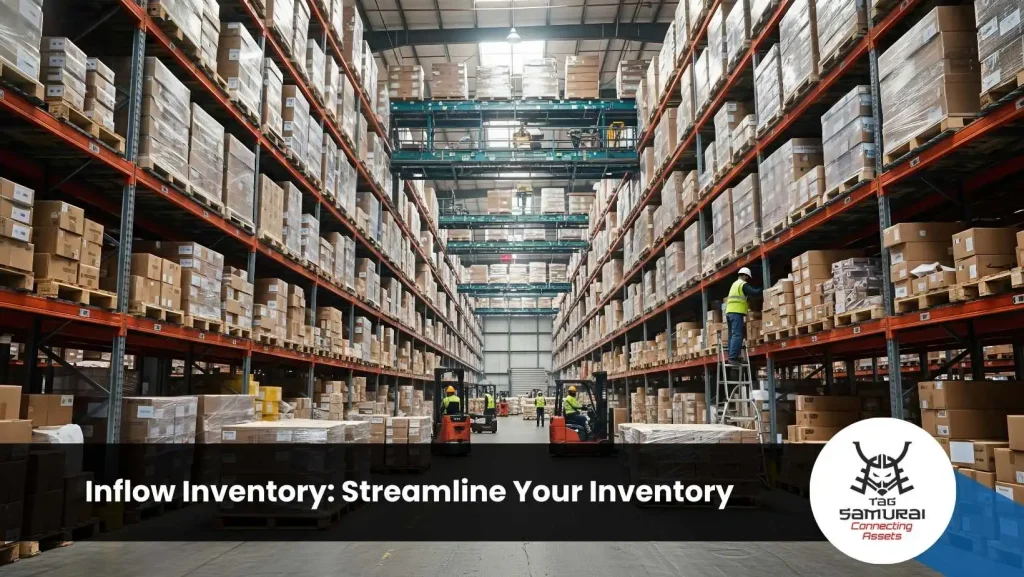
Inflow Inventory provides an efficient platform for businesses to manage stock levels with precision and ease. This inventory management software enables real-time tracking, automated alerts for low stock, and comprehensive reporting to prevent overstocking or shortages. By adopting Inflow Inventory, organizations gain control over their supply chain, boosting operational efficiency and profitability.
Key features of Inflow Inventory include seamless integration with e-commerce platforms and customizable dashboards for tailored insights. These elements ensure accurate forecasting and streamlined workflows across retail, wholesale, and manufacturing sectors. Delve deeper into how Inflow Inventory can transform your inventory processes for sustained business growth.
Understanding Inflow Inventory Basics
Inflow inventory refers to the process of receiving and recording new stock entering a business’s storage system. This foundational aspect ensures accurate tracking of goods from suppliers, preventing stockouts and overstocking. Effective inflow management integrates with overall inventory control to maintain operational efficiency.
1. Key Components of Inflow Inventory
The core elements include purchase orders, receiving procedures, and quality inspections. Purchase orders initiate the inflow by detailing expected deliveries. Upon arrival, receiving teams verify quantities and conditions against orders.
- Use barcode scanning for quick data entry.
- Implement RFID technology for real-time updates.
- Conduct random sampling to ensure quality compliance.
These steps minimize errors and support just-in-time inventory practices, reducing holding costs while meeting demand.
2. Benefits of Streamlined Inflow Processes
Optimizing inflow leads to faster cycle times and better cash flow. Businesses gain visibility into supply chain dynamics, enabling predictive analytics for future orders. This approach aligns with lean inventory frameworks, emphasizing waste reduction.
- Enhanced accuracy in stock levels.
- Improved supplier relationships through timely payments.
- Scalable operations for growing enterprises.
For long-tail queries like ‘how to manage incoming inventory efficiently,’ focus on automation tools such as ERP systems that automate reconciliation and reporting.
3. Best Practices for Implementation
Start with standardized protocols for all inflows. Train staff on software integration and error-handling. Regularly audit processes to adapt to market changes. Semantic variations like ‘incoming stock management’ highlight the need for adaptable systems in dynamic retail environments.
- Integrate with demand forecasting models.
- Monitor key performance indicators like receiving accuracy rate.
- Leverage cloud-based solutions for remote access.
By mastering these basics, companies achieve streamlined inventory that supports sustainable growth and customer satisfaction.
Key Strategies for Inflow Management
Effective inflow management ensures timely receipt and organization of incoming goods, reducing holding costs and improving cash flow in inventory operations. By optimizing supplier coordination and demand forecasting, businesses can minimize stockouts and overstock. This approach aligns with lean inventory principles, enhancing overall supply chain efficiency.
1. Implement Robust Supplier Vetting and Scheduling
Select reliable suppliers through rigorous evaluation of delivery performance and quality standards. Establish clear scheduling protocols to synchronize inbound shipments with production needs. Regular audits help maintain consistency, preventing disruptions in inventory inflow.
- Conduct quarterly supplier reviews to assess reliability.
- Use vendor scorecards for performance tracking.
- Integrate scheduling software for real-time visibility.
2. Leverage Demand Forecasting Tools
Accurate forecasting predicts inflow requirements based on historical data and market trends. Advanced analytics tools process sales patterns to adjust order quantities dynamically. This strategy supports just-in-time inventory, streamlining stock levels without excess accumulation.
- Adopt AI-driven forecasting for precision.
- Integrate with ERP systems for seamless data flow.
- Review forecasts weekly to adapt to changes.
3. Optimize Receiving and Inspection Processes
Streamline dock operations with standardized checklists for quick unloading and quality checks. Implement barcode or RFID scanning to update inventory records instantly upon receipt. Training staff on efficient protocols reduces errors and accelerates integration into storage systems.
- Set up dedicated receiving zones to avoid bottlenecks.
- Automate inspections with quality management software.
- Document discrepancies immediately for supplier resolution.
4. Monitor Working Capital Impact
Inflow decisions directly affect working capital by influencing payment terms and inventory turnover. Balancing inflow with outflow maintains liquidity. For deeper insights into working capital dynamics, explore resources on optimizing financial health in supply chains.
These strategies collectively transform inflow management into a competitive advantage, fostering resilient inventory systems that adapt to varying demands while controlling costs.
Overcoming Inflow Inventory Challenges
Inflow inventory management involves tracking and integrating incoming goods into your supply chain. Challenges such as delays, inaccuracies, and overstocking can disrupt operations and increase costs. Addressing these issues requires a systematic approach to optimize inventory inflow processes.
1. Identifying Common Inflow Inventory Obstacles
Key hurdles include supplier delays, which affect just-in-time delivery models, and data entry errors leading to discrepancies. Poor forecasting exacerbates excess inflow, tying up capital in unsold stock. Recognizing these patterns through regular audits helps pinpoint root causes.
- Supplier reliability assessments
- Real-time tracking implementation
- Demand forecasting tools
2. Implementing Best Practices for Streamlined Inflow
Adopt inventory management software to automate receiving and validation. Establish clear protocols for inbound shipments, including pre-arrival notifications from suppliers. This reduces manual errors and speeds up integration into storage systems.
Integrate barcode or RFID technology for accurate scanning, ensuring seamless updates to inventory records. Regularly review supplier performance to foster reliable partnerships, minimizing disruptions in the supply chain.
3. Leveraging Technology and Analytics
Use AI-driven analytics to predict inflow needs based on historical data and market trends. This proactive strategy prevents over-inflow and supports efficient resource allocation. Cloud-based platforms enable real-time visibility across teams.
- Automated alerts for discrepancies
- Predictive analytics for ordering
- Integration with ERP systems
4. Measuring Success and Continuous Improvement
Track metrics like inflow accuracy rates and cycle times to evaluate improvements. Conduct periodic reviews to refine processes, adapting to evolving business demands. This iterative method ensures long-term efficiency in managing incoming inventory.
For related insights on inventory risks, explore dead stock management. Effective inflow control not only cuts costs but also enhances overall supply chain resilience.
Advanced Inflow Optimization Techniques
Inflow optimization in inventory management focuses on refining the entry of goods into your system to minimize waste, reduce holding costs, and enhance supply chain efficiency. By leveraging advanced techniques, businesses can achieve precise control over stock levels, aligning inflows with real-time demand. This approach integrates data-driven strategies to forecast and automate incoming shipments, ensuring seamless operations without overstocking or shortages.
1. Predictive Analytics for Demand Forecasting
Predictive analytics uses machine learning algorithms to analyze historical sales data, market trends, and external factors like seasonality. This enables accurate forecasting of inflow needs, preventing excess inventory buildup. Implementing tools such as AI-powered software allows for scenario modeling, where potential disruptions are simulated to adjust orders proactively. Best practices include integrating ERP systems with analytics platforms for real-time insights.
2. Just-in-Time (JIT) Supplier Synchronization
JIT methodology synchronizes supplier deliveries with production schedules, reducing lead times and storage requirements. Advanced optimization involves vendor-managed inventory (VMI) systems, where suppliers monitor stock levels and replenish automatically. This technique minimizes inflow variability through collaborative platforms that share demand signals. For optimal results, establish performance metrics like on-time delivery rates exceeding 95% to evaluate partnerships.
- Select reliable suppliers with robust tracking capabilities.
- Negotiate contracts that incentivize timely inflows.
- Use blockchain for transparent supply chain visibility.
3. Automation and IoT Integration
Incorporating Internet of Things (IoT) devices into warehouses tracks shipments in real-time, optimizing routing and reducing delays. Automation via robotic process automation (RPA) streamlines receiving and quality checks, accelerating inflow processing. This framework supports lean inventory principles by enabling dynamic adjustments based on live data. Experts recommend starting with pilot programs to scale IoT implementations effectively.
Adopting these advanced inflow optimization techniques transforms inventory management into a responsive, cost-effective process. For insights on related strategies like zero inventory models, explore resources on minimal stock approaches.
Also Read: What is Zero Inventory
Case Studies in Inflow Streamlining
1. Manufacturing Firm Reduces Lead Times by 40%
A mid-sized manufacturing company faced chronic delays in raw material inflows, leading to production bottlenecks. By implementing just-in-time (JIT) inventory principles, they synchronized supplier deliveries with demand forecasts. This approach minimized excess stock while ensuring timely availability.
Key tactics included vendor-managed inventory (VMI) systems and real-time data integration via ERP software. As a result, lead times dropped 40%, reducing holding costs by 25%. This case exemplifies how precise inflow control enhances operational agility in dynamic markets.
2. Retail Chain Optimizes Supplier Onboarding
A national retail chain struggled with inconsistent supplier performance, causing stockouts during peak seasons. They streamlined inflows by adopting a centralized supplier portal for automated order processing and compliance checks. This digital framework accelerated onboarding from weeks to days.
- Standardized vendor qualification criteria to filter reliable partners
- Integrated API connections for seamless purchase order transmission
- Regular audits to maintain quality standards
Outcomes included a 30% improvement in order fulfillment rates and fewer disruptions in shelf stocking. Such practices underscore the value of technology in scaling inventory management for retail operations.
3. E-Commerce Platform Scales with Predictive Analytics
An e-commerce business experienced rapid growth but grappled with overstocking low-demand items. Introducing predictive analytics tools analyzed historical sales data and market trends to forecast inflow needs accurately. This shifted from reactive to proactive inventory planning.
By coupling analytics with automated replenishment algorithms, they achieved 95% inventory accuracy. Storage costs fell 20%, and customer satisfaction rose due to reliable product availability. This demonstrates how data-driven strategies transform inflow streamlining in online retail.
Also Read: Streamline Your Inventory
Benefits of Streamlining Inventory Inflow
Streamlining inventory inflow involves optimizing the process of receiving and integrating new stock into your warehouse or storage system. This approach enhances overall inventory management by reducing delays, minimizing errors, and aligning procurement with demand forecasts. Businesses that adopt efficient inflow strategies often see measurable improvements in operational performance.
1. Enhanced Operational Efficiency
Efficient inventory inflow reduces the time spent on manual data entry and verification. Automation tools, such as barcode scanning and integrated software, speed up receiving processes. This leads to faster stock availability for sales, minimizing downtime in fulfillment operations. According to supply chain best practices, streamlined inflows can cut processing times by up to 30%.
Workers can focus on value-added tasks rather than routine handling, boosting productivity across the board.
2. Cost Savings and Reduced Waste
By improving accuracy in inflow tracking, companies avoid overstocking or duplicate orders, which tie up capital unnecessarily. Precise monitoring prevents spoilage in perishable goods and obsolescence in fast-moving inventory. These practices align with lean inventory frameworks, directly lowering holding costs.
- Implement just-in-time (JIT) receiving to match inflows with actual demand.
- Use real-time analytics to forecast and adjust purchase orders dynamically.
3. Improved Cash Flow Management
Streamlining inflow shortens the operating cycle, the time from purchasing inventory to generating sales revenue. Faster integration of goods into sellable stock accelerates turnover rates. For insights on optimizing this cycle, explore resources on operating cycle management.
This efficiency frees up working capital for reinvestment, supporting business growth without increasing debt.
4. Better Customer Satisfaction
Reliable inflow processes ensure consistent product availability, reducing stockouts that frustrate customers. Accurate inventory levels enable precise order fulfillment, enhancing delivery times and order accuracy. In competitive markets, these improvements build loyalty and positive reviews.
Data-driven inflow optimization also supports omnichannel retail, meeting diverse customer expectations seamlessly.
Also Read: What is Operating Cycle
Tools to Optimize Inflow Processes
Optimizing inflow processes in inventory management enhances efficiency by automating receiving, tracking, and integrating supplier data. Effective tools reduce errors, speed up stock intake, and align with just-in-time inventory principles. Businesses adopting these solutions often see reduced holding costs and improved order fulfillment rates.
1. Inventory Management Software
Inventory management software like Fishbowl or Zoho Inventory centralizes inflow operations. These platforms automate purchase order matching, real-time stock updates, and supplier performance analytics. Key features include barcode integration and API connectivity for seamless data flow from vendors to warehouse systems.
- Streamline receiving with mobile scanning apps.
- Generate alerts for discrepancies in shipments.
- Support multi-location inventory tracking for scaled operations.
2. RFID and Barcode Systems
Radio-frequency identification (RFID) and barcode systems accelerate item identification during inflow. RFID tags enable bulk scanning without line-of-sight, ideal for high-volume environments. Barcode solutions, such as those from Zebra Technologies, offer cost-effective accuracy for smaller setups, minimizing manual entry errors.
- Implement RFID for automated gate entries and inventory counts.
- Use durable barcode labels to withstand supply chain rigors.
- Integrate with ERP for end-to-end visibility from supplier to shelf.
3. ERP Integration Tools
Enterprise resource planning (ERP) systems like SAP or Oracle integrate inflow with broader operations. They facilitate automated workflows for vendor-managed inventory and demand forecasting. Customization options ensure compliance with industry standards, such as ISO 9001, enhancing supply chain reliability.
- Automate invoice reconciliation to cut processing time.
- Enable predictive analytics for optimal reorder points.
- Foster collaboration via shared portals with suppliers.
4. Automation and AI-Driven Platforms
AI-powered tools, including platforms like IBM Watson Supply Chain, predict inflow disruptions and optimize routing. Robotic process automation (RPA) handles repetitive tasks like data validation. These technologies support long-tail queries on scalable inventory inflow strategies, delivering data-driven insights for continuous improvement.
- Deploy AI for anomaly detection in incoming shipments.
- Utilize RPA bots for faster document processing.
- Achieve up to 30% efficiency gains in inflow cycles per industry benchmarks.
Measuring Inflow Success with KPIs
Key performance indicators (KPIs) provide measurable values to evaluate the effectiveness of inflow processes in inventory management. Inflow success refers to the efficient receipt, inspection, and integration of incoming goods into stock. Tracking these metrics ensures streamlined operations, reduced costs, and improved accuracy in supply chain performance.
1. Order Accuracy Rate
This KPI measures the percentage of inbound orders received without discrepancies in quantity, quality, or specifications. High accuracy indicates reliable supplier performance and minimal rework. Calculate it as (accurate orders / total orders) × 100. Aim for rates above 95% to optimize inflow efficiency and avoid stockouts or overstocking.
2. Receiving Cycle Time
Receiving cycle time tracks the duration from goods arrival to availability in inventory. Shorter times enhance cash flow and responsiveness. Benchmarks vary by industry, but targets under 24 hours support just-in-time inventory models. Monitor through automated systems for real-time insights.
3. Supplier On-Time Delivery Rate
Assess suppliers’ reliability by the percentage of deliveries arriving on schedule. Formula: (on-time deliveries / total deliveries) × 100. Rates exceeding 98% minimize disruptions. Use this metric to identify top performers and negotiate better terms, fostering stronger vendor relationships.
4. Inbound Freight Cost per Unit
This financial KPI evaluates transportation efficiency by dividing total inbound shipping costs by units received. Lower costs signal optimized logistics. Track trends to negotiate carrier rates or consolidate shipments, aligning with cost-reduction strategies in inventory inflow.
5. Inventory Turnover Ratio for Inflow
Measure how quickly new stock moves into sales by dividing cost of goods sold by average inflow inventory value. Higher ratios indicate effective inflow without excess holding costs. Industry standards range from 4-6 turns annually; adjust based on product lifecycle for precise performance gauging.
Implementing these KPIs involves integrating data from ERP systems and regular audits. Consistent monitoring drives continuous improvement in inflow processes, ensuring inventory alignment with demand forecasts and operational goals.
Streamline Fixed Asset Inflows with TAG Samurai

In the realm of inflow inventory management, receiving and accurately recording fixed assets like equipment and machinery is crucial for maintaining operational efficiency. TAG Samurai, a specialized fixed asset management solution, seamlessly integrates into your inflow processes to ensure precise tracking from the moment assets arrive.
This tool automates asset verification against purchase orders, updates records in real-time via barcode or RFID scanning, and supports quality inspections—reducing errors and aligning with just-in-time principles. By providing visibility into asset inflows, it helps minimize holding costs, optimize working capital, and prevent discrepancies that could disrupt your supply chain.
TAG Samurai report improved accuracy in asset integration, faster cycle times, and better compliance with inventory KPIs. It’s particularly valuable for manufacturing and retail operations handling incoming fixed assets alongside consumable inventory.
Discover how TAG Samurai can enhance your inflow management. Schedule a free consultation today to explore tailored implementation strategies.
FAQ
1. What is inflow inventory?
Inflow inventory refers to the process of receiving and recording new stock as it enters a business’s storage system. This step ensures accurate tracking of goods from suppliers, helping prevent stockouts and overstocking. Effective management integrates with overall inventory control to boost operational efficiency.
2. Why is managing inflow inventory important?
Managing inflow inventory helps maintain accurate stock levels, reduces holding costs, and improves cash flow by aligning incoming goods with demand. It prevents disruptions like stockouts during peak times and supports lean inventory practices. Businesses that optimize this process gain better visibility into their supply chain for proactive decision-making.
3. What are the key components of inflow inventory?
The main components include purchase orders, receiving procedures, and quality inspections. Purchase orders detail expected deliveries, while receiving teams verify quantities and conditions upon arrival. These elements minimize errors and support just-in-time practices to cut costs.
4. How can I streamline inflow inventory processes?
Start with standardized protocols for receiving and use automation tools like ERP systems for reconciliation and reporting. Implement barcode or RFID scanning to update records instantly and train staff on error-handling. Regular audits ensure processes adapt to changes, enhancing efficiency.
5. What are common challenges in inflow inventory management?
Common issues include supplier delays, data entry errors, and poor forecasting leading to overstocking. These can disrupt operations and tie up capital in unsold goods. Addressing them through audits and reliable supplier partnerships helps maintain smooth inflows.
6. What tools are best for optimizing inflow inventory?
Inventory management software like Fishbowl or Zoho Inventory automates purchase order matching and stock updates. RFID and barcode systems speed up scanning, while ERP tools like SAP integrate with forecasting for seamless operations. AI-driven platforms predict disruptions to keep processes efficient.
7. What are best practices for implementing inflow inventory?
Vet suppliers rigorously and use demand forecasting tools to predict needs based on sales data. Optimize receiving with checklists and real-time tracking via IoT devices. Monitor metrics like cycle times to continuously improve and align with just-in-time principles.
8. How does inflow inventory affect cash flow?
Efficient inflow shortens the operating cycle by speeding up stock integration, accelerating turnover and freeing up capital. It balances purchases with sales to maintain liquidity without excess holding costs. Poor management can tie up funds in overstock, impacting financial health.
9. What KPIs should I track for inflow inventory?
Key metrics include order accuracy rate, receiving cycle time, and supplier on-time delivery rate to measure reliability. Track inbound freight cost per unit and inventory turnover ratio for cost efficiency. Aim for high accuracy above 95% and short cycle times under 24 hours.
10. What are examples of successful inflow inventory optimization?
A manufacturing firm reduced lead times by 40% using JIT principles and ERP integration for synchronized deliveries. A retail chain improved fulfillment by 30% with a supplier portal for faster onboarding. An e-commerce platform cut storage costs 20% through predictive analytics for accurate forecasting.
Conclusions
Mastering inflow inventory is essential for businesses aiming to streamline operations and achieve supply chain resilience. Key components such as purchase orders, receiving procedures, and quality inspections form the foundation, while best practices like supplier vetting, demand forecasting, and RFID integration minimize errors and delays. Leveraging technologies including ERP systems, AI analytics, and just-in-time synchronization ensures precise control over incoming stock, reducing holding costs and preventing stockouts or overstocking. These strategies align with lean principles, transforming incoming inventory management into a proactive process that adapts to market dynamics.
Effective inflow optimization yields tangible benefits, including enhanced operational efficiency, improved cash flow, and superior customer satisfaction through reliable product availability. Case studies demonstrate reductions in lead times by up to 40% and inventory accuracy exceeding 95%, underscoring the real-world impact of data-driven approaches. By monitoring KPIs like order accuracy rates and supplier on-time delivery, companies can continuously refine processes, fostering sustainable growth and competitive advantage in inventory operations.
See also: Inventory Accounting

- Choosing FIFO and LIFO Accounting for Your Company - 01/04/2026
- Inventory Source and Its Impact on Profitability - 26/03/2026
- What Is Upkeeping? A Complete Business Guide - 20/03/2026

